
In a world that constantly asks us to be efficient, organised and high-performing, something seemingly contradictory is emerging: a desire to be a little more irrational, spontaneous and even useless. It is the phenomenon of “whimsy” — a word that is difficult to translate with a single term, but that could be described as playful strangeness, lightness, imagination and a touch of eccentricity. It is not simply an aesthetic made of bows, romantic clothes, unusual objects and nostalgic references. More than anything, it is a different way of looking at everyday life, one that makes room for things that do not necessarily need to serve a purpose.
And it seems this is not just something we are imagining while scrolling through our feeds. Google Trends data shows that interest in the term “whimsy” has genuinely grown, particularly between 2025 and 2026. Searches around the concept have increased significantly, while the word has appeared more and more across social media, where it has evolved from a visual aesthetic into something closer to a lifestyle and an attitude.
That is interesting because it tells us something we may already be sensing online: we have started searching for precisely what seems to be missing from our everyday lives. In a digital environment dominated by performance, productivity, self-improvement and constant comparison, there is a growing desire for something more spontaneous. Something that does not necessarily make us better, more successful or more productive, but simply makes us feel good.
For years, we have learned to optimise almost everything. Our sleep, our diet, our workouts, our careers, our free time — even the way we rest. Every activity seems to need to produce a result. Even leisure can become another project to manage: travelling to collect experiences, reading to learn something, exercising to reach a goal. In this context, doing something simply because we enjoy it can almost feel like a small act of rebellion.
That is where whimsy comes in. It can mean buying flowers without waiting for a special occasion, wearing something a little more romantic or eccentric than necessary, setting the table beautifully even when eating alone, keeping an object that has no monetary value but carries a memory, writing a letter instead of sending a message, or listening to an old song simply because it makes us feel like a child again.
Not everything has to be useful. Not everything has to be productive. And not everything has to be explained.
Perhaps that is exactly why whimsy is becoming so appealing. It reminds us of a version of ourselves that adulthood often pushes aside: the part that can experience wonder without immediately asking what the benefit is. As children, we could turn a blanket into a castle, a stone into a treasure and an ordinary afternoon into an adventure. As adults, we tend to look at the world primarily through the lens of functionality.
Whimsy invites us to change that perspective. It allows us to reconnect with the part of ourselves that does not necessarily want to achieve something, but simply wants to experience something.
Nostalgia also plays an important role. Many elements associated with whimsy evoke childhood, fairy tales, toys, crafts, old films, analogue rituals and a world that feels slower and less connected. Perhaps it is not the past itself that we want back, but the feelings we associate with it: safety, curiosity, wonder and, above all, the absence of the constant need to document and share every moment.
In that sense, whimsy can also become a form of emotional self-protection. In an hyper-connected reality, allowing ourselves to do something completely useless creates a space that does not need to be monetised, photographed or turned into content. A moment that belongs only to us.
There is, however, an interesting paradox. The moment whimsy becomes a trend, it risks becoming yet another thing we feel we have to do correctly. We might start buying the “right” objects, dressing in the “right” way, decorating our homes according to the “right” aesthetic and even learning how to be spontaneous according to a set of rules. And suddenly, something that began as an escape from performance becomes another form of performance.
Perhaps the real meaning of whimsy lies precisely in refusing to turn it into another form of perfectionism. You do not need an eccentric wardrobe or a picture-perfect home. It can be much simpler: taking a different route home, buying a dessert just because you feel like it, putting on a song and dancing alone in the kitchen, picking a flower during a walk or deciding to spend an afternoon with absolutely no plan.
The point is not to be eccentric. It is to remember that we are still allowed to do things without a particular reason.
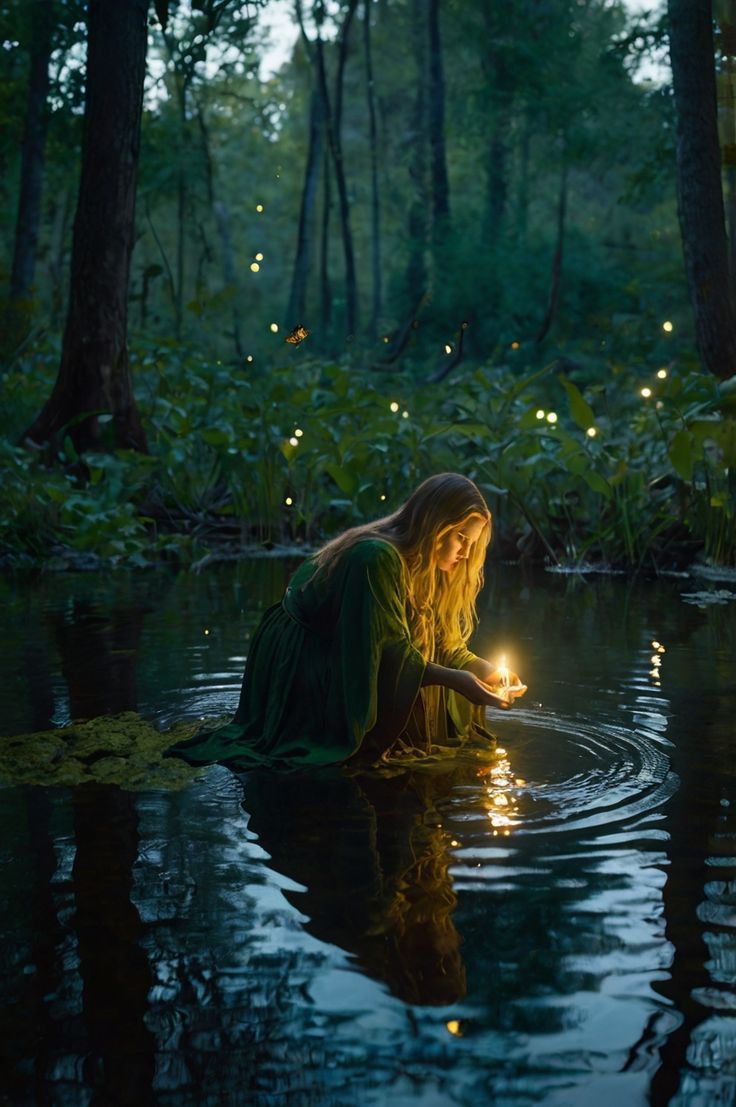
Perhaps that is also what our Google searches are telling us. We are not simply noticing this desire — we are actively looking for it. We search for words, images and ideas that help us name that feeling of wanting to slow down, play, imagine and reconnect with a part of ourselves that adult life often makes quieter.
Whimsy, then, may be much more than an aesthetic trend. It could be a spontaneous response to an era that constantly asks us to be better, faster and more efficient. A small act of everyday resistance against the need to give everything a purpose.
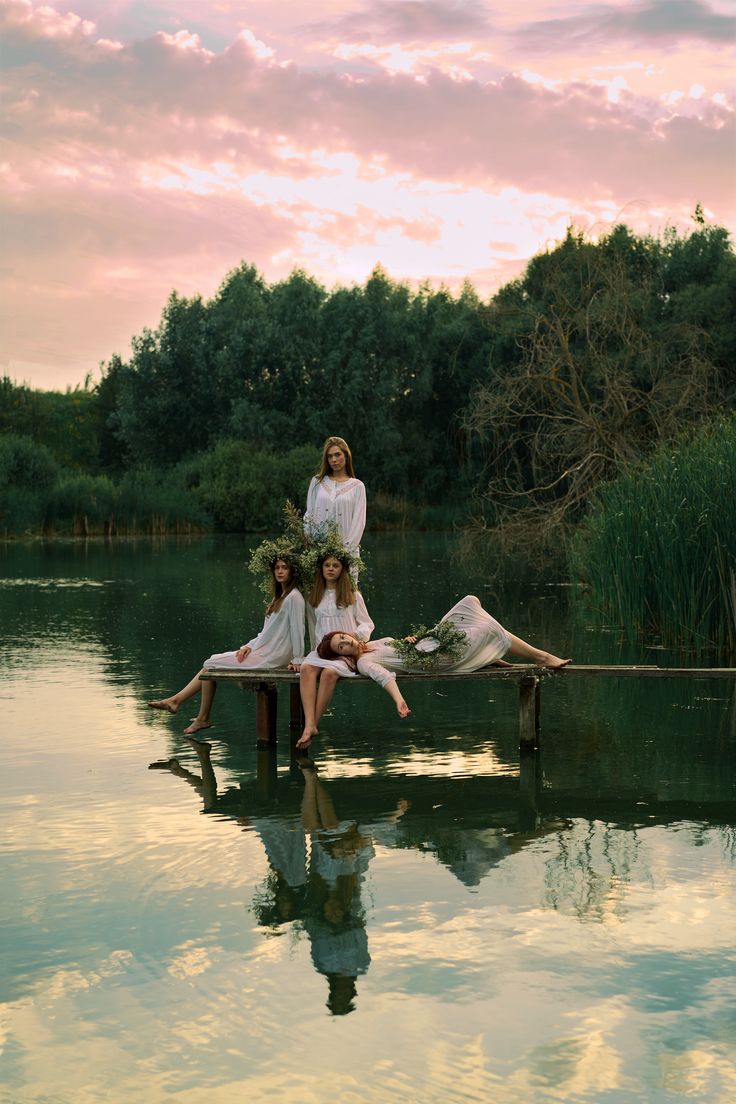
Because perhaps, after all, we also need things that are completely useless. A little strangeness. A little imagination. A little wonder. Not to escape reality, but to return to it with a part of ourselves that is still capable of being amazed by it.