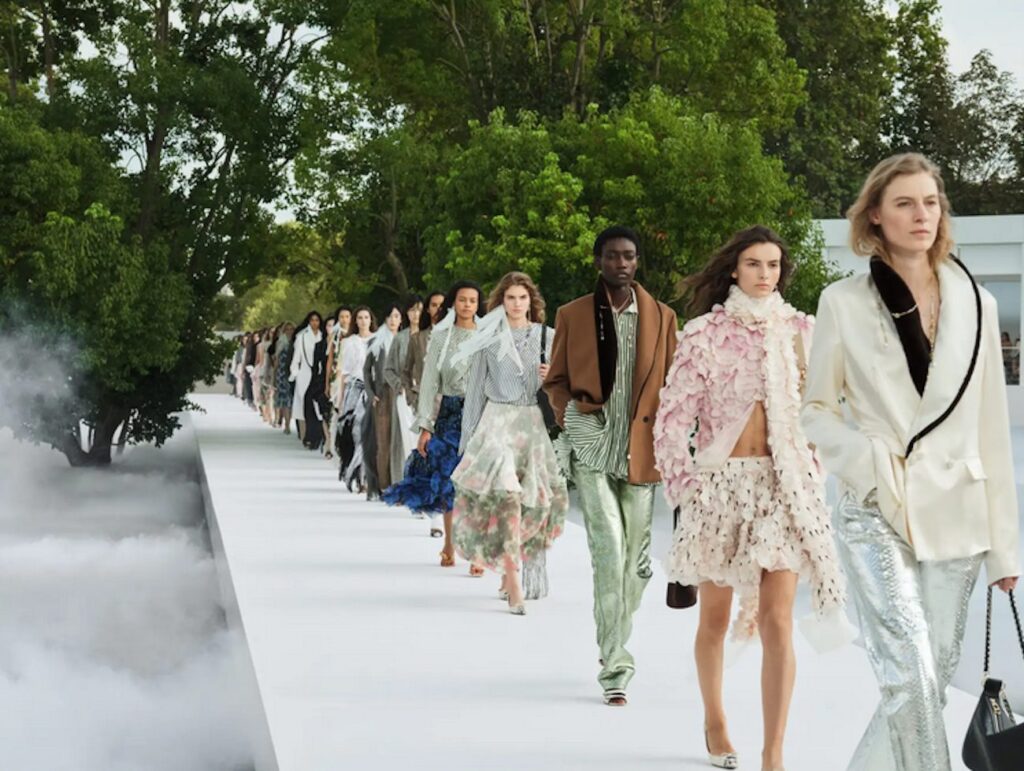
The luxury industry is undergoing a profound shift. Once considered the pinnacle of aspiration, major fashion houses are now facing growing skepticism from consumers. This isn’t merely about affordability – it’s about culture, trust, and values. Today, people are prioritizing authenticity, creativity, and true craftsmanship over logos and hype.
Here are the five main reasons.


- Loss of creativity
Luxury fashion used to be synonymous with bold visions and artistic innovation. Designers set trends, dictated aesthetics, and created dreams. But in today’s climate of constant product churn, many collections feel interchangeable, offering recycled ideas rather than original artistry. The demand for ever more collections each year forces designers into a cycle of repetition, where marketing dictates design. For consumers, the magic is gone: why invest in something that feels mass-produced rather than visionary?
- Unreasonable pricing
Luxury has always been expensive, but recently prices have reached unprecedented, often unjustifiable levels. Handbags that once cost thousands now sell for five times more – yet the product hasn’t improved in quality or design. Shoppers increasingly feel they are paying for a logo rather than a truly superior item. This widening gap between real value and price perception is pushing consumers to seek alternatives that offer honesty and substance.


- Overexposure
Exclusivity used to define luxury. Today, however, overexposure has eroded that allure. The same pieces appear endlessly on influencer feeds, billboards, and social media, stripping them of their sense of rarity. When luxury becomes too visible, it ceases to feel special and begins to resemble mainstream fashion. For many, this ubiquity undermines the very essence of luxury – distinction and rarity.
- Declining quality
Owning luxury once meant investing in something built to last a lifetime. Now, consumers report handbags wearing out within months, or shoes showing damage after light use. The culprit? Outsourced production, cheaper materials, and cost-cutting at the expense of craftsmanship. This shift has left many questioning why they should pay a premium price for something that no longer embodies durability or artisanal value.

- Anti-corporate sentiment
There is a growing distrust of large luxury conglomerates. Many consumers believe these companies prioritize profit over product, diluting brand identity in the process. Endless “gimmick” marketing campaigns, celebrity collaborations, and overproduction have created emotional detachment. What once symbolized heritage and artistry now feels corporate and hollow. As a result, people are increasingly drawn to smaller, independent brands that stand for authenticity, transparency, and sustainable values.
Dear reader, you may like also this:
Start before the moment slips away
The Subtle Magic of Saying No: A Spiritual Approach to Energy and Boundaries