

Mental and emotional wellness is the day-to-day practice of noticing what’s happening inside you and responding with care rather than autopilot. Most people don’t need a full reset; they need small, grounding moments that fit into real life. The ideas that follow focus on simple, creative ways to restore balance without adding another obligation to your day.
Key Takeaways
- Emotional wellness improves most when practices are lightweight enough to repeat.
- Sensory and creative activities often bypass overthinking and calm the nervous system faster.
- Personal expression matters more than doing any method “correctly.”
- Consistency beats intensity for long-term emotional steadiness.
Letting the Body Lead the Mind
Thoughts usually get the blame for stress, but the body often signals overload first. Simple physical cues can become anchors. Noticing the temperature of your hands, the pressure of your feet on the floor, or the rhythm of your breathing gives the nervous system something concrete to settle around. These moments are brief, but they create pauses where emotion can soften instead of escalating.
Reducing Environmental Friction
Emotional strain often lingers because of small, repeated sources of friction rather than major problems. Visual clutter, constant alerts, and unfinished micro-tasks quietly tax attention and emotional bandwidth throughout the day. Making minor adjustments—like clearing one frequently used surface or limiting notifications for a few hours—can noticeably reduce background stress and make emotional regulation feel more natural instead of forced.
Visual Reflection Through Digital Art
One accessible option is visual self-expression through digital tools. Creating images with mood, color, and texture allows emotions to surface without needing the right words. Many people use this approach as a quiet ritual, generating artwork that reflects how they feel and then observing it with curiosity rather than judgment. When you experiment with an AI painting generator, you can turn abstract thoughts into calming visuals that support mindfulness and self-reflection. These tools allow users to enter simple text prompts that transform ideas into images resembling watercolor or oil paintings, with options to adjust style, color, and lighting to match emotional intent.
Social Micro-Connections That Restore Balance
Deep conversations are valuable, but emotional wellness often improves through small, low-stakes interactions. Briefly checking in with a neighbor, sharing a joke with a coworker, or sending a kind message without expectation creates subtle reassurance. These moments remind the nervous system that connection exists even when life feels demanding.
Daily Actions That Create Emotional Breathing Room
Start by testing a handful of small actions and noticing which ones create real emotional relief:
- Taking a five-minute walk without headphones to notice ambient sounds.
- Writing one sentence at night that captures the emotional tone of the day.
- Choosing a daily color that reflects your mood and finding it around you.
- Setting a gentle alarm to pause and stretch once in the afternoon.
Building Consistency
Sustainable wellness comes from repetition without rigidity. The idea is to create a rhythm that adapts to real life rather than fighting it:
- Choose one sensory anchor you enjoy, such as sound, texture, or color.
- Spend two to five minutes noticing it without multitasking.
- Express what you notice in a low-effort way, like a word, shape, or image.
- End by naming one neutral or positive detail from the moment.
Comparing Different Wellness Supports
Here’s how various approaches serve different emotional needs.
| Approach | Best For | Time Needed | Energy Level |
| Body-based awareness | Immediate calming | 1–5 minutes | Low |
| Creative expression | Emotional processing | 5–15 minutes | Low to moderate |
| Social micro-connection | Mood lifting | Under 5 minutes | Low |
| Reflective writing | Pattern recognition | 5–10 minutes | Moderate |
Emotional Wellness FAQs
People often want clarity before committing to new habits, especially when emotional energy is limited.
Do I need to practice these activities daily for them to work?
Daily practice helps, but irregular use still provides benefits. Emotional regulation improves through exposure and familiarity, not perfection. Even returning once or twice a week can reinforce a sense of agency.
What if creative activities make me more emotional instead of calmer?
That response is common, especially at first. Strong feelings often surface because they finally have space. Over time, expression usually leads to relief as emotions move instead of staying stuck.
Can digital tools really support mindfulness?
Yes, when they are used intentionally rather than passively. Tools that encourage creation and reflection engage attention differently than scrolling. The key is using them as a pause, not a distraction.
How do I know which approach is right for me?
Notice how you feel immediately after and again an hour later. Practices that support you tend to leave a subtle sense of steadiness. If something consistently drains you, it may not be the right fit right now.
Is it okay to combine several methods?
Combining methods often works well because emotional needs change day to day. A body-based pause one day and a creative outlet the next can complement each other. The goal is responsiveness, not uniformity.
Closing Thoughts
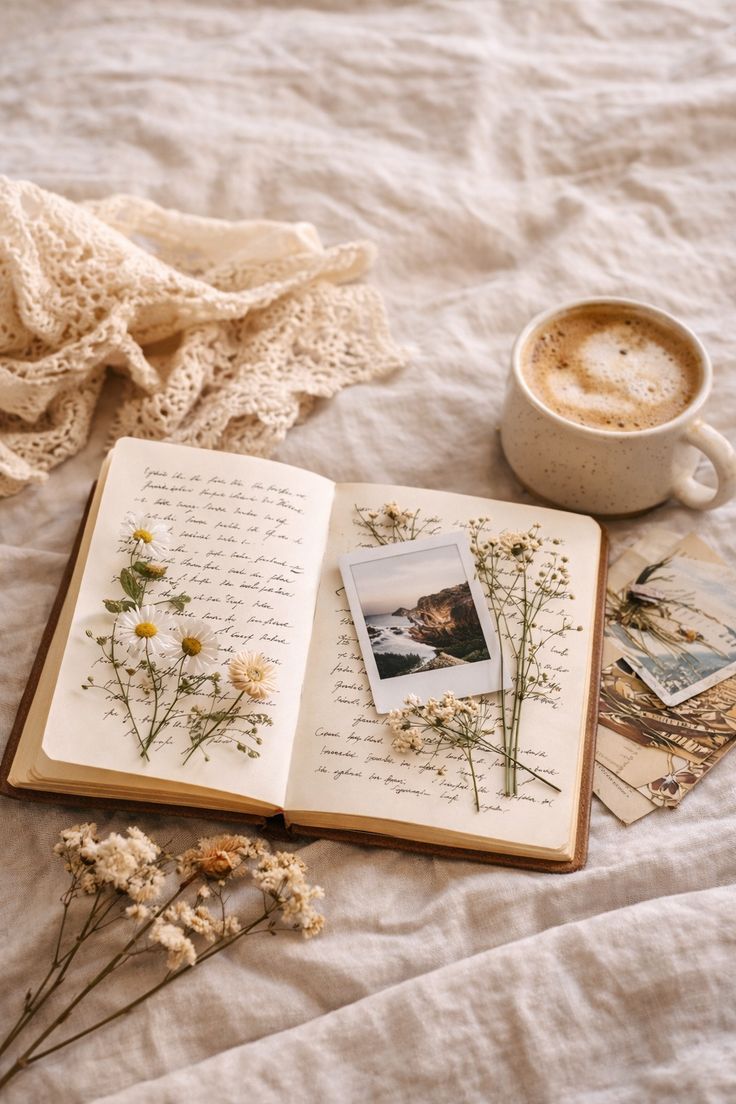
Emotional wellness grows through small, repeatable choices rather than dramatic change. Creative and sensory practices work because they meet the mind where it already is, instead of demanding it be different. When you give yourself simple ways to notice, express, and connect, balance becomes something you practice, not something you chase. Over time, those small shifts add up to a steadier inner life.