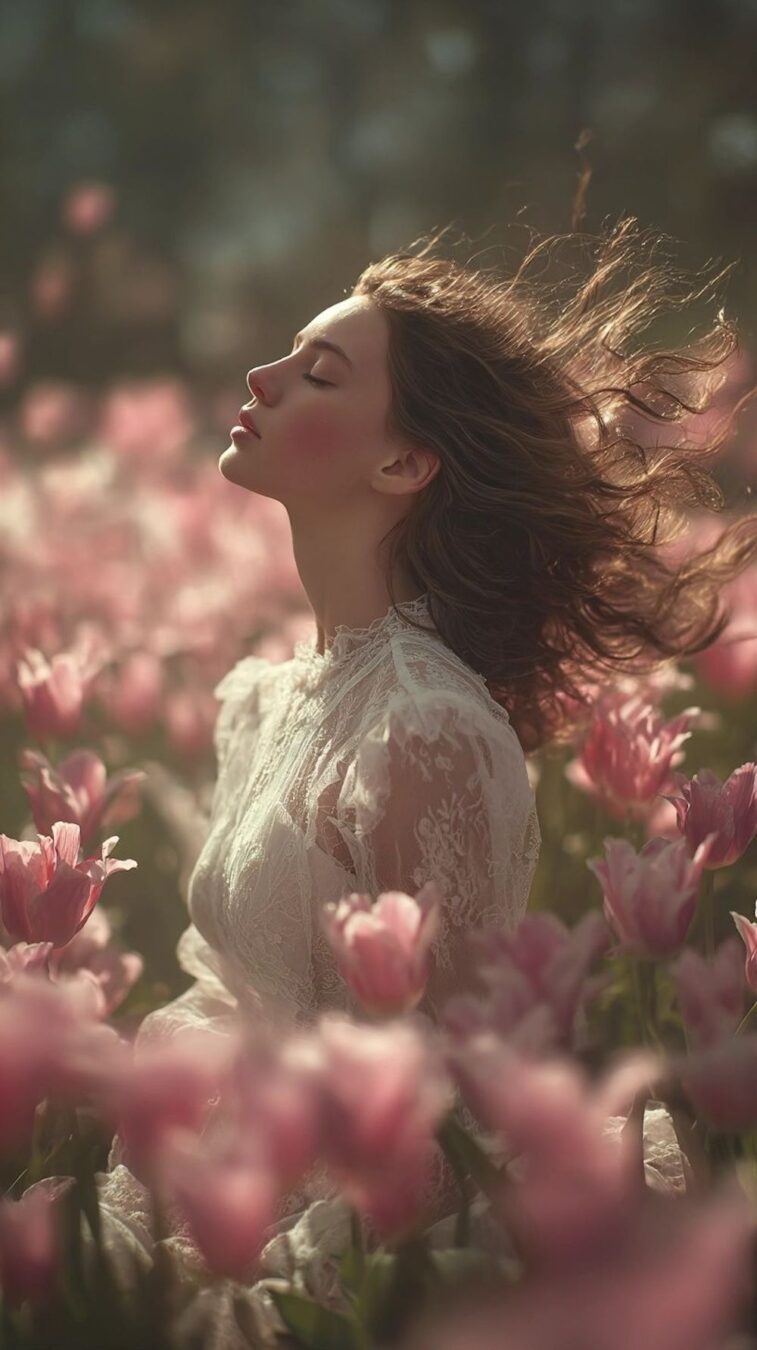
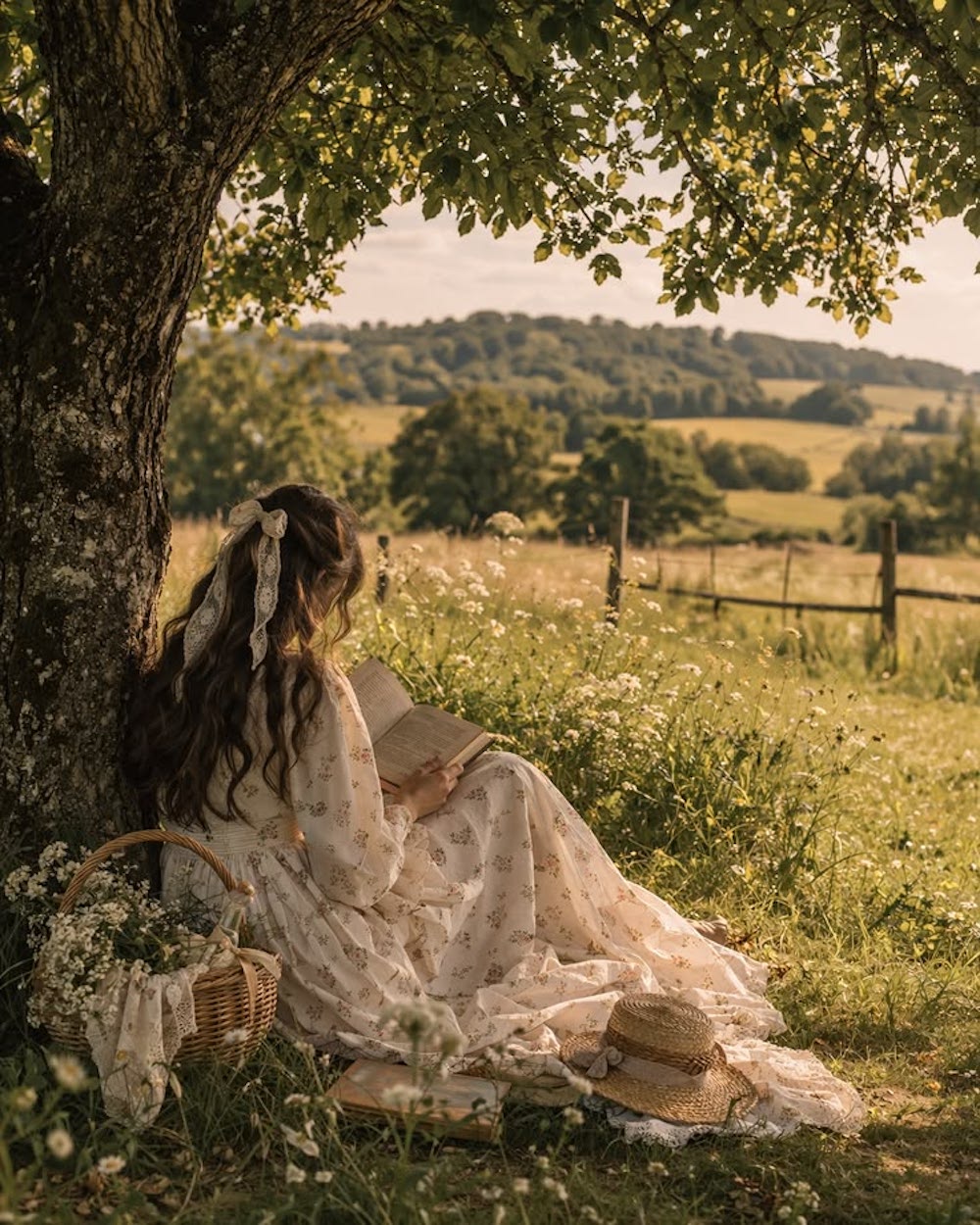
There is a gentle Japanese concept that carries a profound message for modern life: Oubaitori. It reminds us that people, like flowers, bloom in their own time. No two journeys are the same, and there is a quiet wisdom in accepting the rhythm that belongs only to us.
Photo: Pinterest
In a world that constantly pushes comparison, speed, and measurable success, this philosophy feels almost revolutionary. We are surrounded by images of achievement, youth, beauty, and perfection. Social media shows us milestones, victories, and carefully curated lives. And sometimes, without even realizing it, we begin to measure ourselves against others.
But nature tells a very different story.
Photo: Pinterest
If you walk through a garden in spring, you will notice that flowers never bloom at the same moment. The plum blossom opens first, delicate and brave in the lingering cold. Then come the peach blossoms, followed by the cherry blossoms, and finally the apricot trees. Each one appears exactly when its time arrives. None rushes, none apologizes for being early or late, and none tries to imitate the other.
This is the essence of Oubaitori: every life unfolds in its own season.
Photo: Pinterest
Some people discover their purpose early. Others take longer paths filled with detours and discoveries. Some careers blossom later in life. Some loves arrive unexpectedly. Some personal transformations take decades to fully reveal themselves.
And all of it is perfectly natural.
One of the greatest sources of anxiety today is comparison. We compare careers, relationships, bodies, achievements, and even happiness. Yet comparison quietly steals the joy of our own experience. When we measure ourselves against someone else’s timeline, we forget that our story is written in a completely different language.
Oubaitori invites us to step away from that noise.
Photo: Pinterest
It encourages us to trust that our growth is happening—even when it feels slow, invisible, or uncertain. Just like a seed beneath the soil, much of life’s most important work takes place quietly, far from the surface.
There is also something deeply spiritual about this idea. Life is not a race but a series of seasons. Some seasons are for blooming, others for resting, learning, healing, or simply observing. When we accept this rhythm, we stop fighting time and begin moving with it.
And there is a certain grace in that surrender.
For many people, especially in midlife, this philosophy becomes incredibly liberating. There is no longer the need to prove, compete, or chase someone else’s version of success. Instead, there is space for authenticity, depth, and self-knowledge. We begin to understand that wisdom, confidence, and beauty also bloom over time. Some of the most extraordinary women step fully into their power later in life. Their strength comes from experience, their elegance from self-awareness, and their presence from the understanding that they no longer need to compare themselves with anyone. They simply bloom.
Photo: Pinterest
Perhaps the real lesson of Oubaitori is not only patience but compassion—toward ourselves and toward others. Everyone we meet is on a different timeline, carrying unseen stories, challenges, and dreams.
When we remember this, we become softer. Kinder. More understanding. And we also become freer.
Because once we truly accept that our path is unique, we can finally stop looking sideways and start looking within. We can appreciate where we are, trust where we are going, and honor the beautiful rhythm that belongs only to us. Just like the flowers.