

There is something profoundly liberating in removing the pressure to be spiritual. We live in a world where even stillness has become performative—wrapped in rituals, expectations, and an aesthetic that often feels distant from real life. Meditation, we are told, requires discipline, silence, incense, and perhaps even a version of ourselves that does not truly exist. And so, many people give up before they even begin.

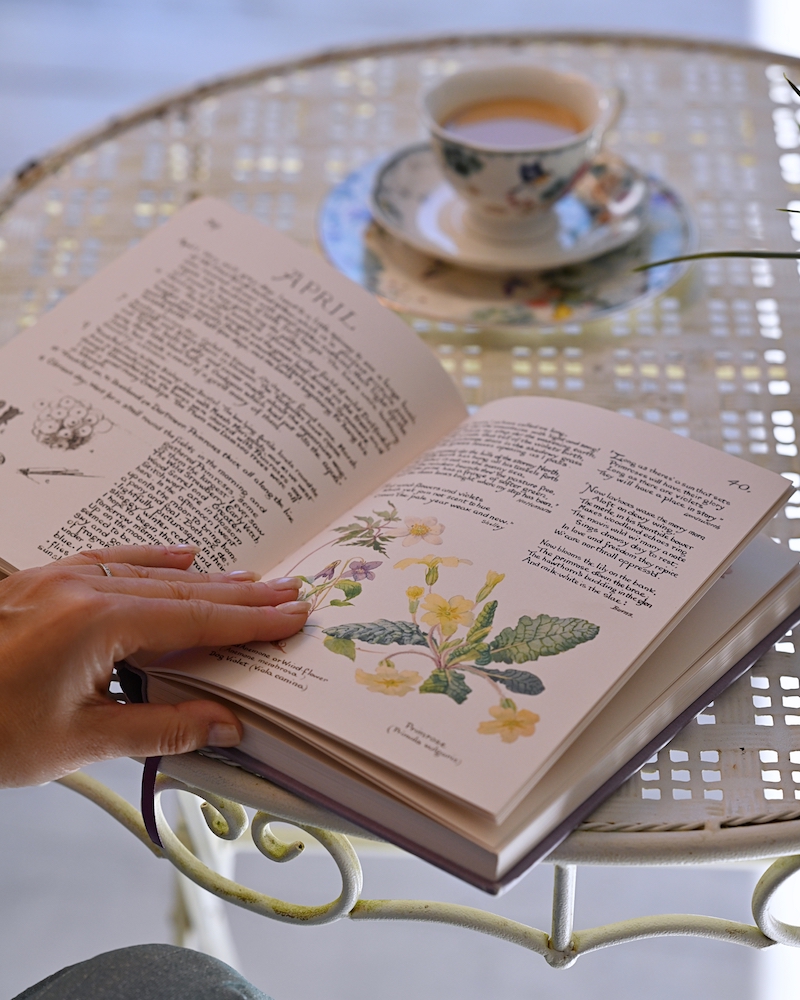

But what if we simply called it something else? Not meditation. Not mindfulness. Just time for yourself. Because at its core, this practice is not mystical—it is deeply human. It is, as beautifully suggested in the original article, a form of “loving maintenance of the mind,” a necessary pause rather than an extraordinary act.




We have complicated something that was never meant to be complex. Your mind is not a problem to solve. It is a living space. Thoughts will come, just as breath comes, just as the heart beats. Trying to silence them completely is like asking the ocean not to move. It is not only impossible—it is against the nature of things. And yet, somewhere along the way, we started believing that peace meant emptiness.
But true peace is not the absence of thoughts. It is the absence of resistance. It is the gentle art of sitting by the river of your own mind and watching what flows—without jumping in, without trying to control the current.


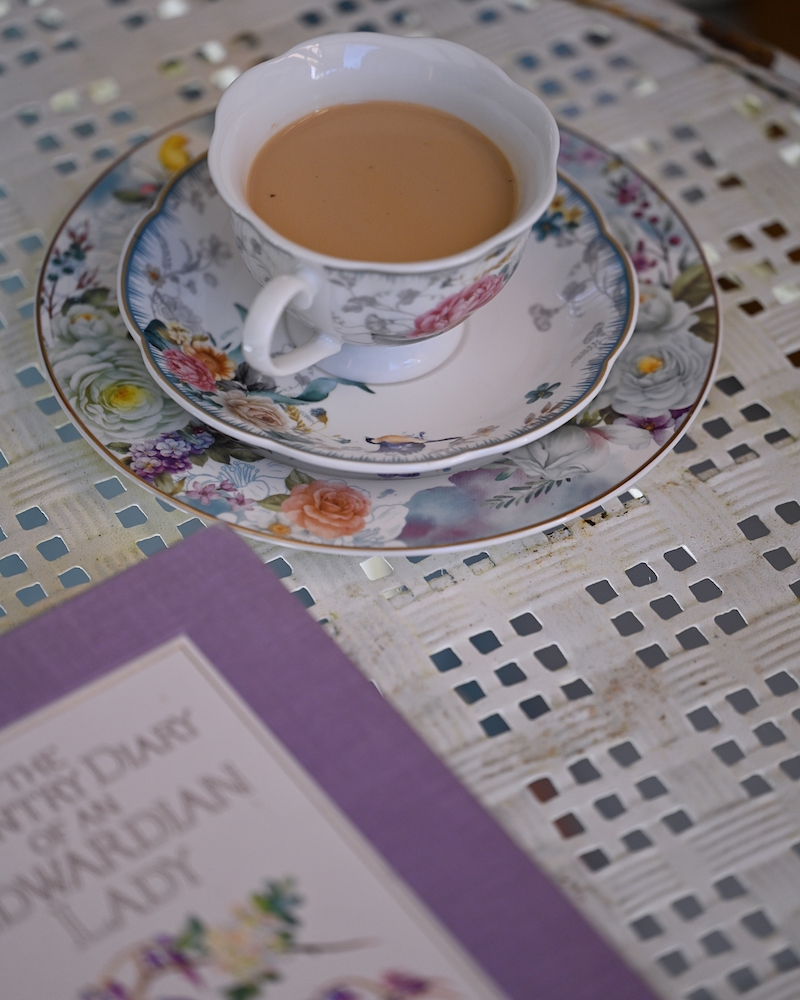

There is something quietly sacred in choosing ten minutes for yourself. Not hours. Not a retreat. Just ten minutes. Ten minutes in which the world can wait, ten minutes where nothing is urgent, ten minutes where you are allowed to exist without performing, solving, or proving. This is not laziness. It is not indulgence. It is restoration. In those small pauses, the nervous system softens. The inner noise settles. Life regains its rhythm. Even a brief, intentional silence can act as a “decompression chamber” for the mind, gently lowering the pressure of everyday life. And perhaps most importantly, it reminds you that not everything requires your immediate reaction.




One of the most beautiful truths is also the most comforting: distraction is not failure. We are so used to judging ourselves—even in moments that are meant to free us. The mind wanders, and we believe we are doing it wrong. But every return, every gentle redirection of attention, is a quiet victory.
It is a training of awareness. Each time you notice your thoughts drifting and bring them back—softly, without frustration—you are strengthening something invisible but powerful: your presence. Not perfection. Presence.
You don’t need the perfect setting. You don’t need special knowledge. You don’t even need to call it anything. Sit comfortably. Close your eyes. Notice your breath. That’s enough. Let thoughts come and go. Let them pass like clouds across a wide sky. You don’t need to follow them, and you don’t need to stop them. Just be there. Because in the end, this “time for yourself” is not about becoming someone else. It is about returning to who you already are—beneath the noise, beneath the urgency, beneath the endless list of things to do.


In a world that constantly asks for more, choosing yourself—even for ten minutes—is a radical act.
Not because it changes everything at once. But because it changes the way you meet everything else.
And perhaps that is the real spirituality of our time: Not escaping life, but learning how to stay—
with a little more softness, a little more awareness, and a quiet, steady sense of self.
Dear reader, you may like also this: