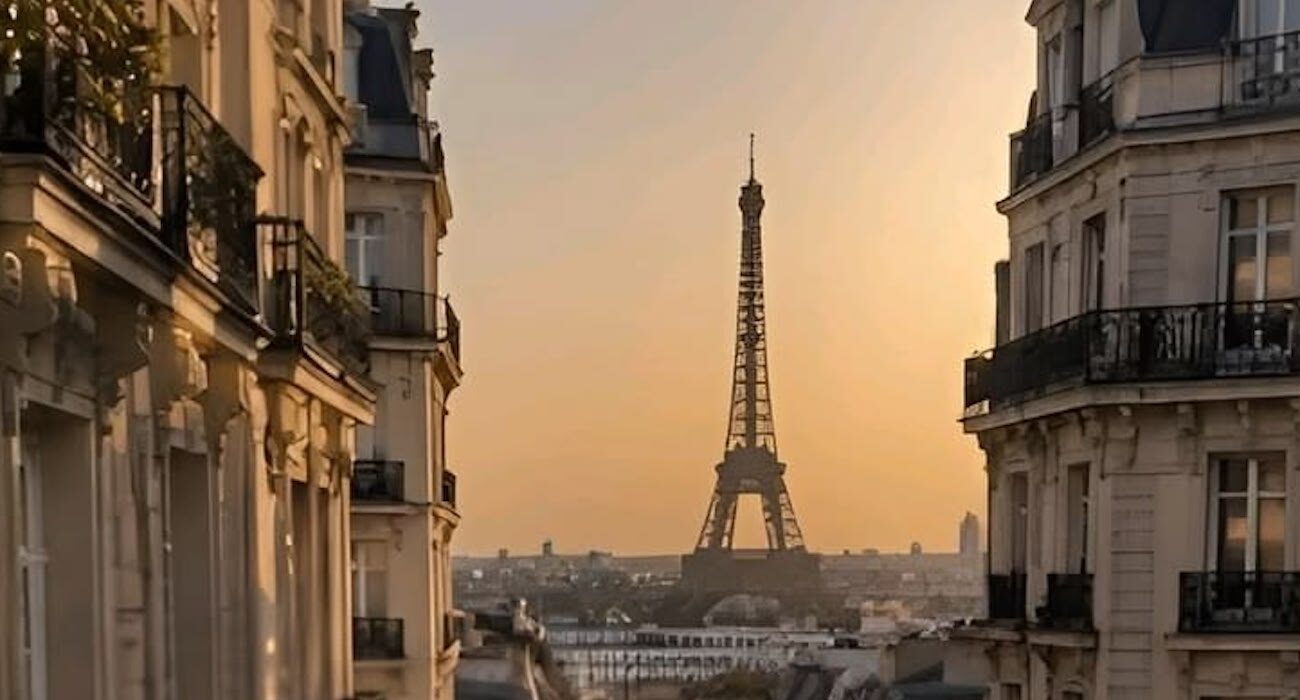

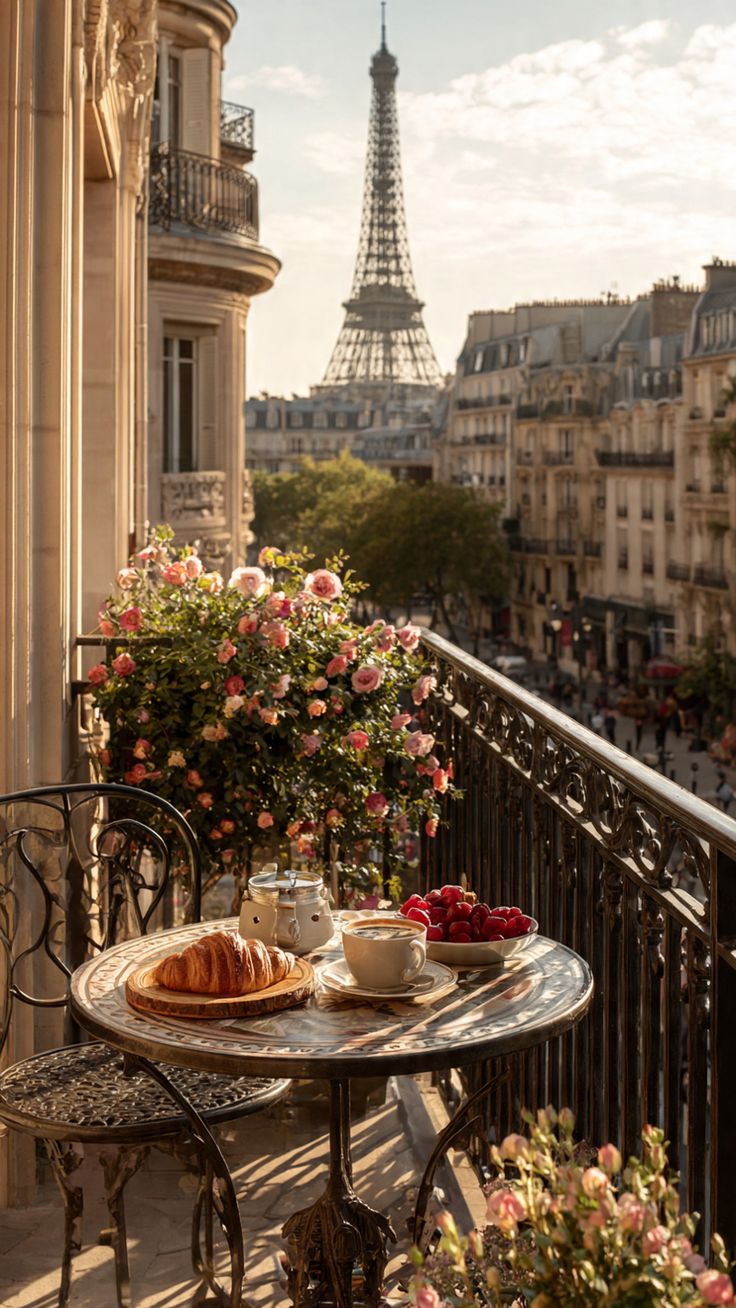
There is always a particular moment at the end of Paris Fashion Week when the same question seems to return: why does Paris still feel different? Fashion happens in many great cities, each with its own character and history. Milan has its extraordinary tradition of craftsmanship, manufacturing and Italian design; New York has its energy and directness, while London has long been associated with experimentation and a certain rebelliousness. Yet Paris possesses something that is much harder to define. Its fashion shows often feel less like presentations of clothes and more like cultural events, carefully constructed moments in which fashion, architecture, history and imagination seem to exist in the same space. Perhaps this is because, in Paris, fashion has never existed entirely on its own. For more than a century, it has been intertwined with art, architecture, literature, theatre and society, becoming part of the city’s cultural identity rather than simply one of its most successful industries. The foundations of modern haute couture were established here when Charles Frederick Worth opened his fashion house on Rue de la Paix in 1858, helping to create the system of haute couture as we know it today. From that point onwards, Paris became the place where fashion was not simply made, but institutionalised, presented and elevated into something approaching an art form.
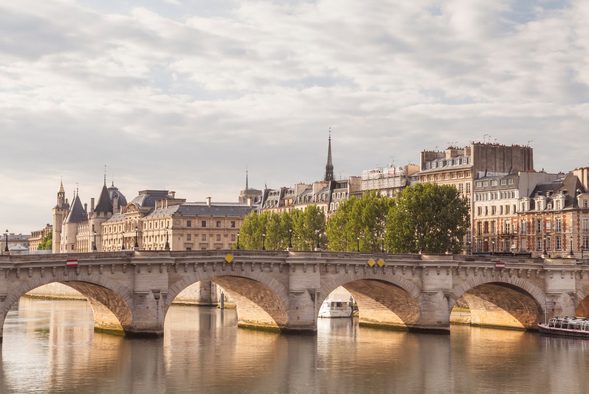
Fashion was spectacle long before fashion week
The relationship between Parisian fashion and spectacle began long before today’s fashion weeks. At the beginning of the twentieth century, Paul Poiret was already staging extravagant parties in which his clothes existed alongside theatre, music and fantasy, while later Elsa Schiaparelli would work directly with artists such as Salvador Dalí, bringing Surrealism into fashion and proving that a dress could function as something more than an object to be worn. Coco Chanel transformed the relationship between clothing and modern femininity, Madeleine Vionnet explored the possibilities of draping and movement, and generations of designers after them continued to treat fashion as a space in which artistic and social ideas could be expressed. That history is important because Parisian fashion has rarely been concerned only with the practical question of what people should wear. It has also been interested in what clothing can make us imagine, and that instinct remains remarkably visible on the Paris runway today.
Paris does not need to invent its own grandeur
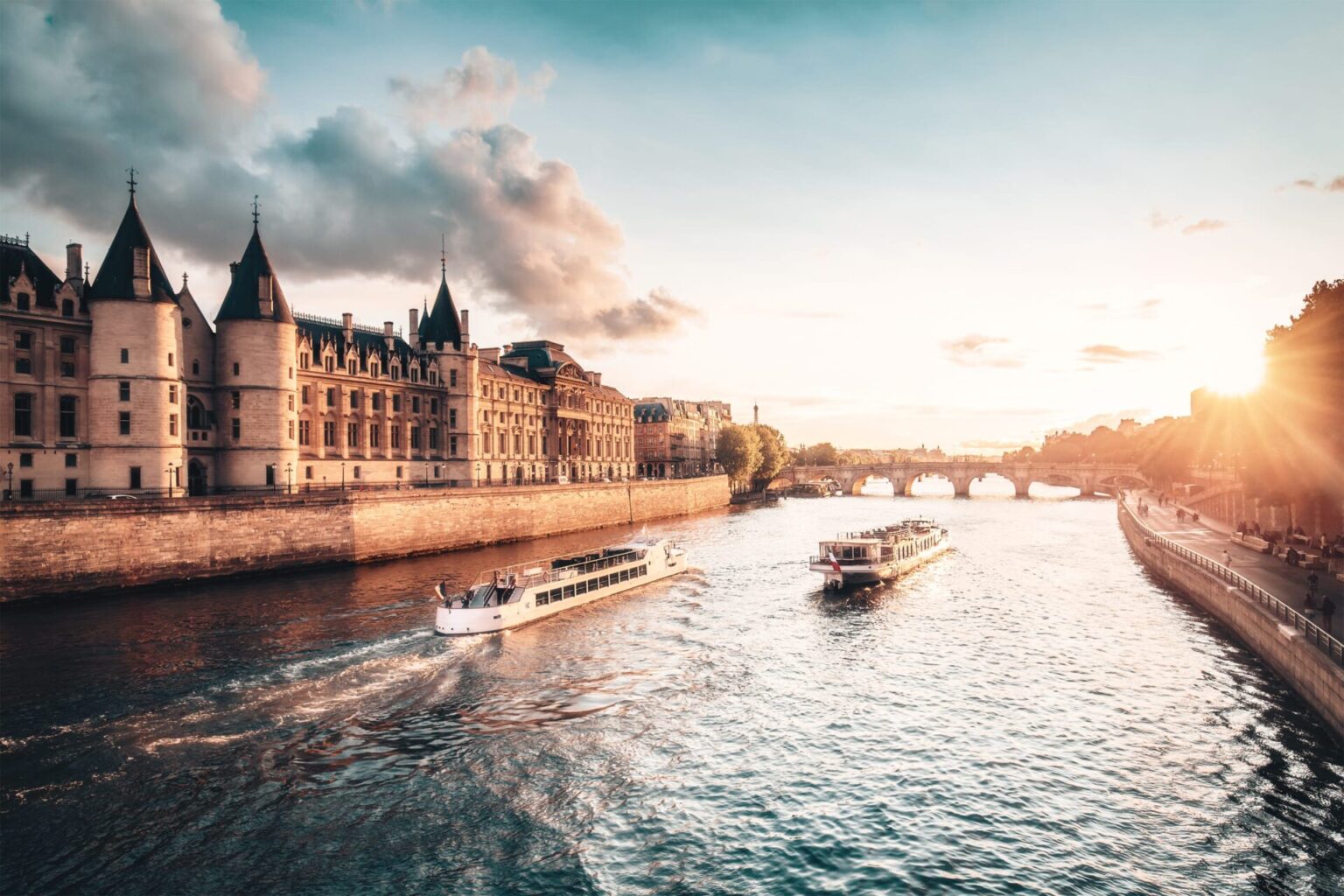
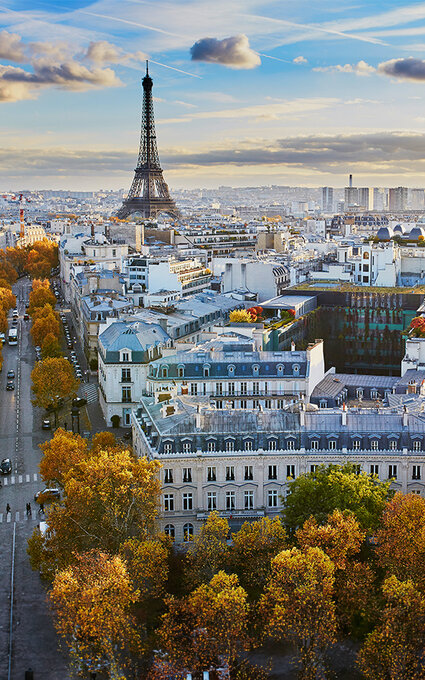
One of the city’s greatest advantages is that it already possesses an extraordinary visual vocabulary. The Louvre, the Tuileries, the Trocadéro, Palais de Tokyo, historic libraries, museums, gardens and grand nineteenth-century interiors all carry layers of history before a designer has added a single chair or light. A collection presented in such a setting automatically enters into a conversation with everything that came before it, which is why the venue of a Parisian fashion show can feel almost as important as the clothes themselves. This season provided some particularly striking examples. The spaces chosen by the houses were not simply beautiful backgrounds for photography; they became extensions of the collections, helping to establish their emotional and intellectual atmosphere before the first model appeared. Paris, in that sense, does not need to manufacture grandeur. It already has it.
Schiaparelli: fashion as theatre
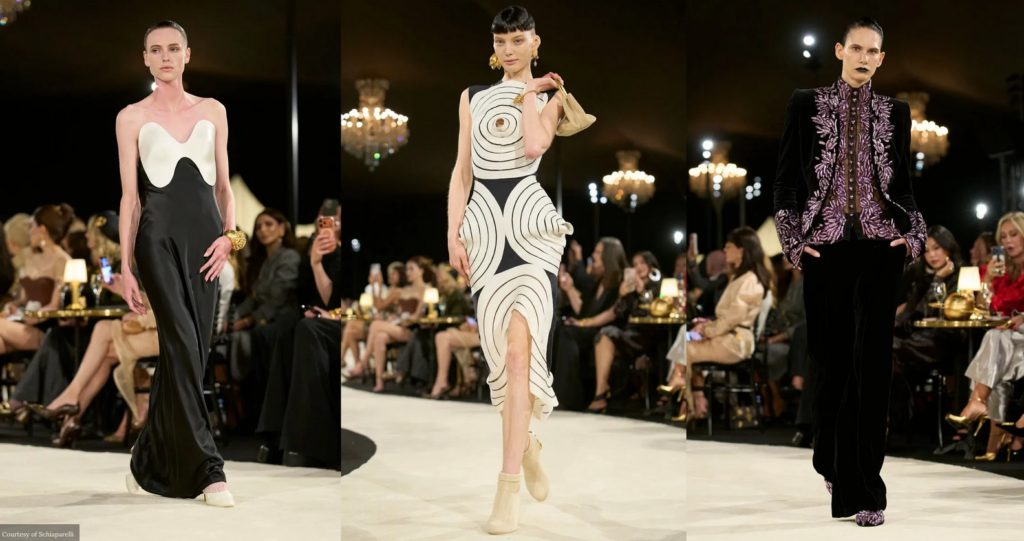
Daniel Roseberry’s Spring/Summer 2027 collection for Schiaparelli offered one of the clearest examples of this relationship between fashion and theatre. Presented at the Carrousel du Louvre, the show transformed the setting into something between an intimate Parisian salon, a nightclub and a theatrical stage, an appropriate environment for a house whose identity has always been rooted in Surrealism, art and provocation. Roseberry continued to explore one of Schiaparelli’s most recognisable signatures, the jacket, recalling the way Elsa Schiaparelli herself treated jackets in the 1930s almost like canvases for surreal motifs and extraordinary embroidery. In the new collection, that heritage was revisited in a somewhat softer and more wearable manner, while sculptural silhouettes, dramatic ruffles, elaborate embroidery and the house’s characteristic anatomical references preserved the sense of fantasy that makes Schiaparelli so distinctive. The clothes were beautiful, but beauty alone was never the point. They were designed to contain an idea, which is perhaps one of the oldest and most enduring characteristics of Parisian fashion.
Tom Ford: the intimacy of glamour
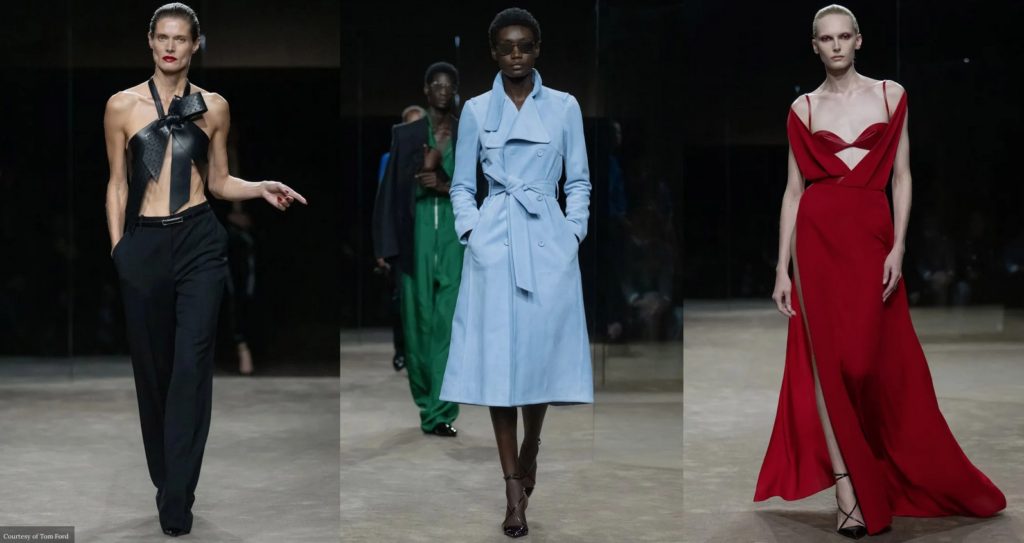
Tom Ford offered a completely different interpretation of the Parisian stage. For Spring/Summer 2027, Haider Ackermann approached the house’s familiar vocabulary of sexuality and glamour from a much more intimate perspective. Traditional Tom Ford imagery is often associated with flash photography, red carpets, razor-sharp tailoring and an almost confrontational confidence, whereas Ackermann seemed more interested in what happens after the party has ended: the private moment, the bedroom, the body at close range. Silk, bare skin, tiny shorts, cut-outs, close-fitting tailoring and fluid robes created an atmosphere that felt sensual without necessarily being theatrical. The sexuality remained unmistakable, but it became quieter and more personal, almost as if the collection were revealing a private side of the Tom Ford woman rather than presenting her to an audience. That transformation is also very much in keeping with the Parisian tradition, where sensuality has often been treated not simply as decoration but as something that can be examined, refined and turned into a language of its own.
Rick Owens: when the venue becomes the collection
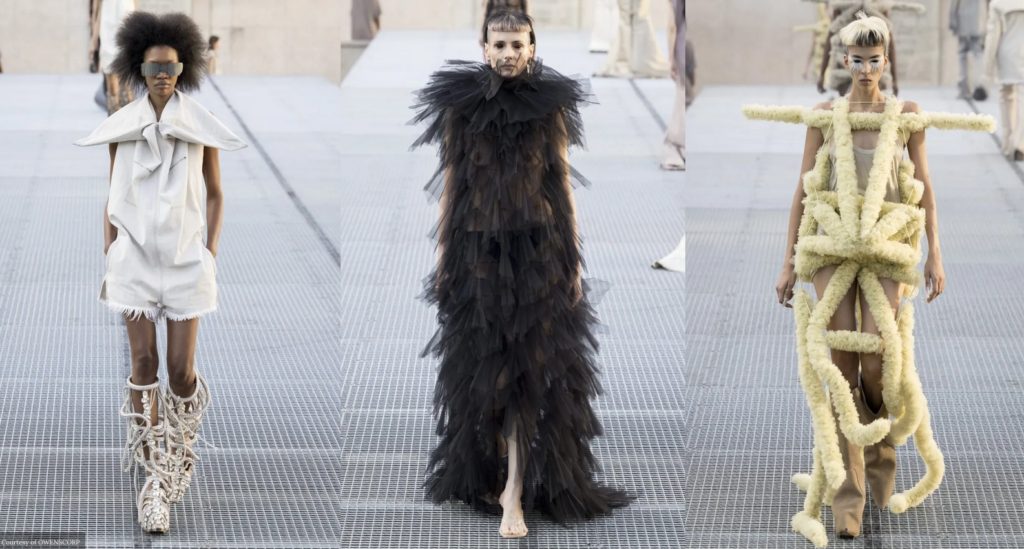
Rick Owens pushed the relationship between fashion and architecture even further with his Spring/Summer 2027 collection, Stone, presented at the Palais de Tokyo. A long runway crossed a pool while jets of water created an imposing environment around the models, who appeared to move through the space almost like figures within a monumental installation. The collection itself continued Owens’s fascination with primitive forms, exaggerated silhouettes and the relationship between the human body and architecture, although the palette was lighter than the darkness traditionally associated with his work, moving through white, beige and mineral shades alongside black. The overall effect was austere and monumental, at moments almost prehistoric, yet the setting gave the clothes an additional dimension that could not be separated from the garments themselves. This is one of the great strengths of a Parisian show: the architecture does not simply frame the fashion; it can become part of the fashion.
Balenciaga: when couture meets the street
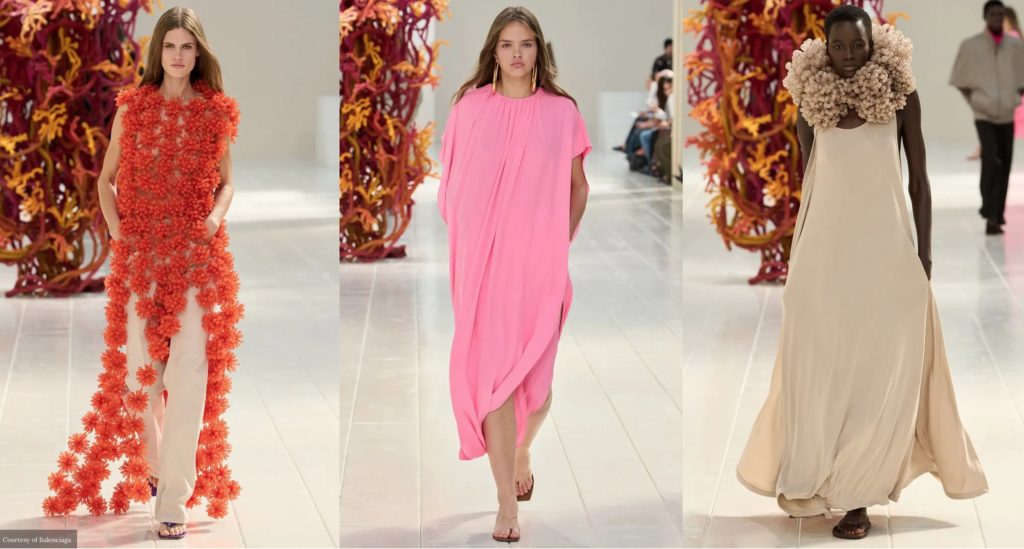
At Balenciaga, Pierpaolo Piccioli faced a particularly complex challenge because he inherited two enormous and very different legacies: the extraordinary couture tradition of Cristóbal Balenciaga and the street-driven, subversive vocabulary developed under Demna. For Spring/Summer 2027, Piccioli explored a fascinating middle ground by asking what might happen if the techniques and discipline of couture were brought into everyday clothing. Instead of reserving couture construction for gowns and formalwear, he applied its principles to jeans, T-shirts, leather and familiar wardrobe pieces. The clothes could appear simple at first glance, but their construction revealed a much more sophisticated approach to proportion, draping and craftsmanship. Couture therefore became less a category of clothing and more a method of thinking. That distinction is crucial because Piccioli is not attempting to erase Balenciaga’s history; he is asking how that history can remain alive when translated into the clothes people actually wear.
Valentino: fashion among books and ideas
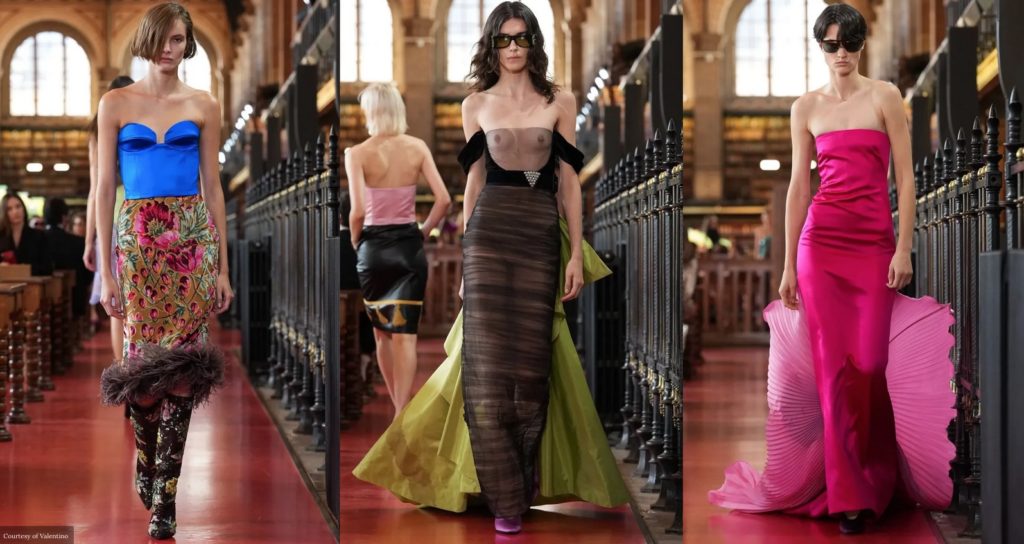
Then came Valentino, where Alessandro Michele presented Antibiblioteca inside the Bibliothèque Sainte-Geneviève, one of Paris’s most extraordinary historic libraries. Guests arrived carrying books and were seated around long wooden tables beneath the library’s famous metal structure, creating an environment in which fashion immediately entered into a dialogue with literature, knowledge and history. The clothes were unmistakably Michele: silk corset tops in vivid colours, lace skirts trimmed with feathers, oversized gold collars, enormous pearl earrings, sparkling shirts and baseball caps, culminating in a Valentino-red final look finished with an enormous black bow. Yet beneath all of this maximalism was a quieter idea. The concept of the antibiblioteca refers to the books one has not yet read and, by extension, to everything we do not yet know. Michele translated that idea into fashion as a celebration of possibility. A garment can be understood as a hypothesis about identity, suggesting not simply who we are but who we might become. Once again, the setting was not decoration. The library was part of the meaning.
Why does Paris feel so different from Milan?
The comparison with Milan is particularly revealing because both cities are essential to contemporary fashion, yet their identities developed through very different histories. Milan’s modern authority was built largely after the Second World War through the extraordinary growth of Italian manufacturing, textiles and luxury production, and designers such as Giorgio Armani and Gianni Versace helped establish the city as an international fashion capital. Milan became synonymous with the connection between design, craftsmanship, production and business, and that heritage remains one of its greatest strengths. Paris, however, carries a different kind of authority. If Milan can often be understood as fashion as industrial and design excellence, Paris represents something closer to fashion as cultural institution. This is, of course, a simplification: Milan has its own theatre, romance and eccentricity, while Paris is also a powerful commercial centre. Yet the emotional atmosphere of the two cities is undeniably different. Milan often feels more precise, controlled and product-oriented, with an extraordinary emphasis on materials, construction and the relationship between design and industry. Paris carries an additional layer of mythology because fashion has lived here for generations alongside painters, writers, filmmakers, architects, musicians and intellectuals. The result is a city in which fashion can feel almost inseparable from the broader culture surrounding it.
The romance of Paris
The romantic quality of Parisian fashion can sometimes sound like a cliché, but there is a reason the cliché has survived. Paris has repeatedly reinvented itself as a place where fashion and art can overlap, from Schiaparelli’s collaborations with Surrealists to Yves Saint Laurent’s relationship with modern art, from Dior’s transformation of post-war femininity to Chanel’s radical redefinition of women’s clothing. This history created an expectation that a fashion show should do more than display a collection. It should create an image, establish an atmosphere and, ideally, leave something behind in the cultural memory. This season, the examples were almost textbook. A library became a meditation on knowledge at Valentino; a pool became architecture at Rick Owens; the Louvre became a theatrical environment for Schiaparelli; and the monumental spaces of Paris repeatedly became extensions of the designers’ ideas. That is why the city’s romanticism is more than simply beautiful buildings and Parisian clichés. It is the accumulated memory of fashion being presented as something imaginative, intellectual and occasionally extravagant.
The runway as an artwork
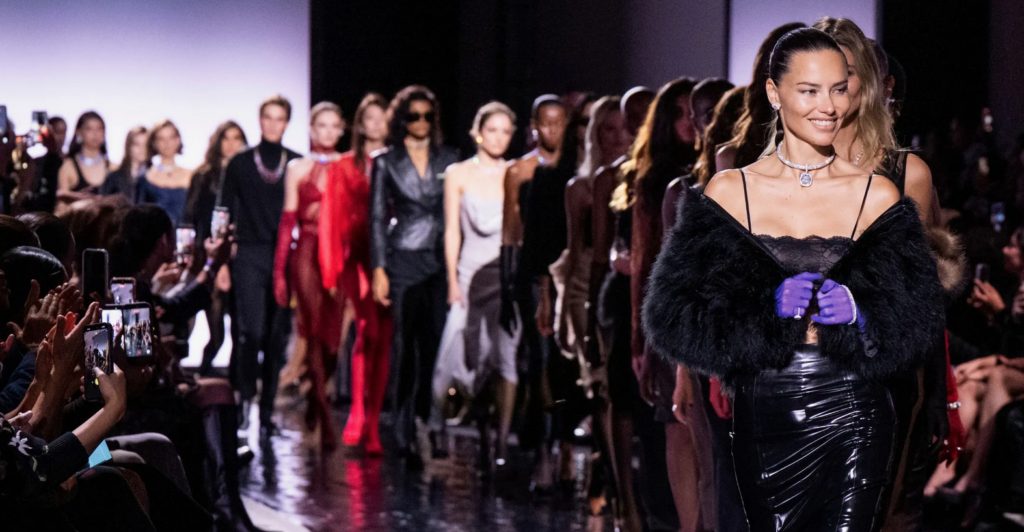
Perhaps this is the fundamental difference. In Paris, there remains a strong belief that a fashion show can itself be an authored work. The clothes are only the first layer. Then come the space, the lighting, the music, the choreography, the casting, the pace, the references and the historical context. Sometimes the result is beautiful, sometimes strange, sometimes excessive and sometimes deliberately uncomfortable, but at its best it leaves behind an image that exists independently of the collection. This is why the Paris schedule can accommodate such radically different visions within the same week: Schiaparelli’s surrealism, Tom Ford’s sensuality, Rick Owens’s monumentality, Balenciaga’s reinterpretation of couture and Valentino’s literary maximalism. They speak entirely different visual languages, yet Paris gives all of them the same possibility: to turn those languages into cultural statements.
Paris as a stage, Milan as a laboratory
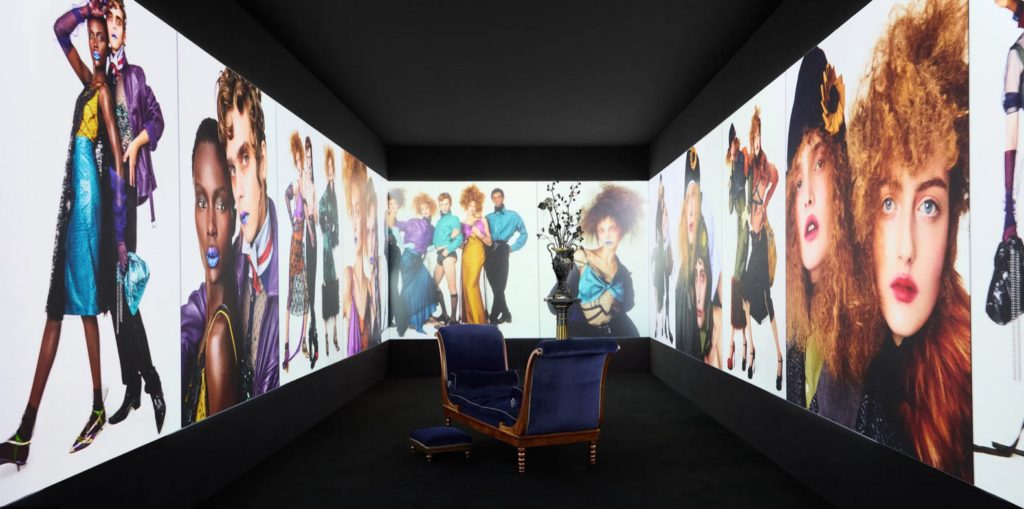
If the difference had to be described metaphorically, one might say that Milan is often a laboratory while Paris is a stage. The laboratory is where materials, construction, production and commercial ideas are refined; the stage is where those ideas are transformed into stories. Neither is more important. Fashion needs both. But Paris possesses a unique ability to make the fashion show feel like something that exists beyond the clothes themselves. The city creates the possibility that a collection can become a narrative, a performance, a historical reference or even a kind of temporary artwork. And perhaps that is why, season after season, people continue to arrive in Paris expecting something extraordinary to happen. Not necessarily because the clothes will be better, but because the city creates the possibility that fashion might become something else entirely.
More than a fashion capital
Paris does not have a monopoly on great fashion, nor does it need one. What it has is something much harder to reproduce: a historical relationship between fashion and imagination. Its streets, museums, gardens, palaces and libraries have witnessed generations of designers turning clothing into art, identity, provocation and fantasy, and that history still shapes the way a collection is experienced today. It is why a Schiaparelli jacket can feel like a surrealist object, why Rick Owens can turn a runway into architecture, why Valentino can place fashion between centuries-old books, why Balenciaga can make couture relevant to a pair of jeans and why Tom Ford can transform sexuality into atmosphere. Paris does not simply present fashion. It frames it. And perhaps that is the secret of its enduring power. Milan can show us how beautifully fashion can be made. New York can show us how dynamically it can be lived. London can show us how radically it can be questioned. But Paris still has the extraordinary ability to make us feel that, for a few minutes, fashion belongs to history, art, theatre and fantasy all at once.
Dear reader, you may like also this:
The Quiet Freedom of Becoming Yourself
Style of the day: long skirt and scarf
Why Everyone Else’s Life on Social Media Seems Better Than Ours