There’s something hauntingly beautiful about watching a love story that refuses to conform to the idea that love always wins. That is the lingering, almost mystical, impact of Wuthering Heights — the recent film adaptation of Emily Brontë’s classic, directed by Emerald Fennell — which invites us into a world where passion exists, but resolution does not always follow.

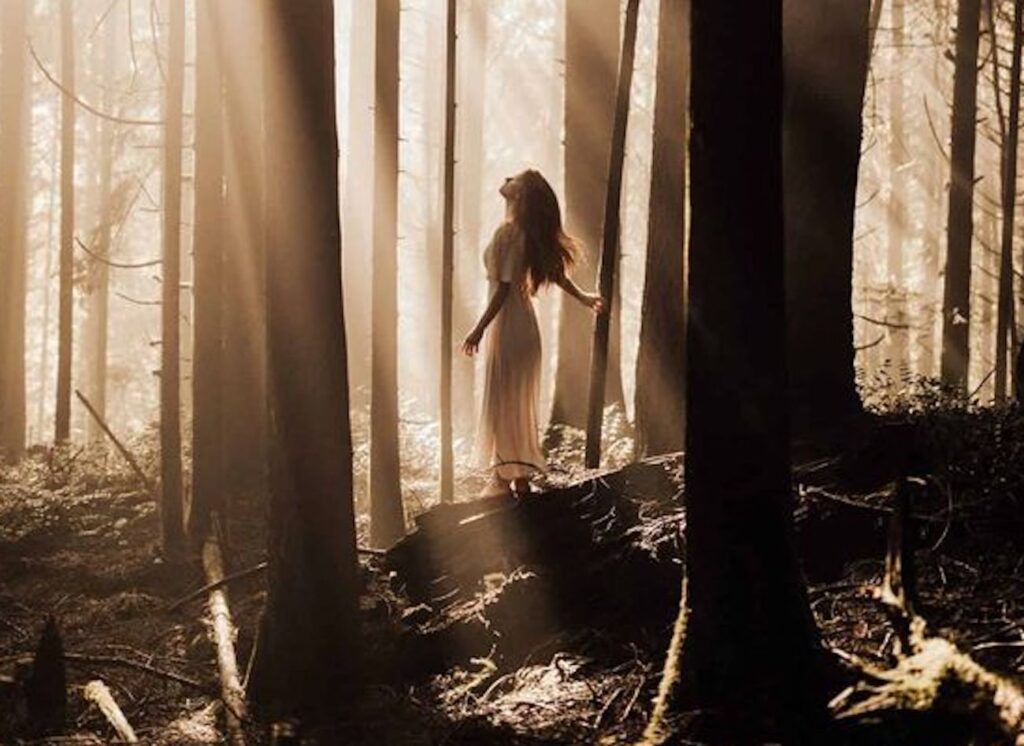
The sweeping moors of England, the relentless wind, the lonely estates and the melancholy skies — the setting feels like a character itself. It draws you in with romantic imagery, seduces you with the idea of an unbreakable bond, and leaves you contemplating how deeply love can wound and transform us.

At its heart, this story is about Catherine Earnshaw and Heathcliff: two souls intertwined since childhood, bound by a connection that seems eternal, spiritual even — but ultimately tragic. Their love is not gentle. It is not the soft warmth of comfortable union. It is raw, destructive, obsessive, and bound by pride and pain. Even as they cannot live without each other, life refuses to grant them the simple gift of unity.

The movie’s ending — where Heathcliff arrives too late to save Catherine, and her life slips away — is not cinematic closure. It’s a reminder that even the most intense love does not always conquer fate. It reminds us that love in its purest form can still be subject to human limitations: fear, pride, societal pressure, fear of loss, and the choices that follow from these shadows.

This is not a simple romance. It is a story that challenges the cultural myth we tell ourselves: that love should always be rewarded. That if something is meant to be, it will be. In Wuthering Heights, love is real, powerful, consuming, and spiritual — but it also bears witness to heartbreak, consequence, and the profound truth that not all deep connections are meant to be fulfilled in the ways we imagine.

Watching Catherine and Heathcliff struggle invites us to reflect on our own lives. There are relationships that shape us, changes that define us, and loves that leave us forever altered without ever giving us the happy ending we hoped for. And perhaps there is a deeper beauty in that — not in the pain itself, but in the transformation that only such love can inspire.
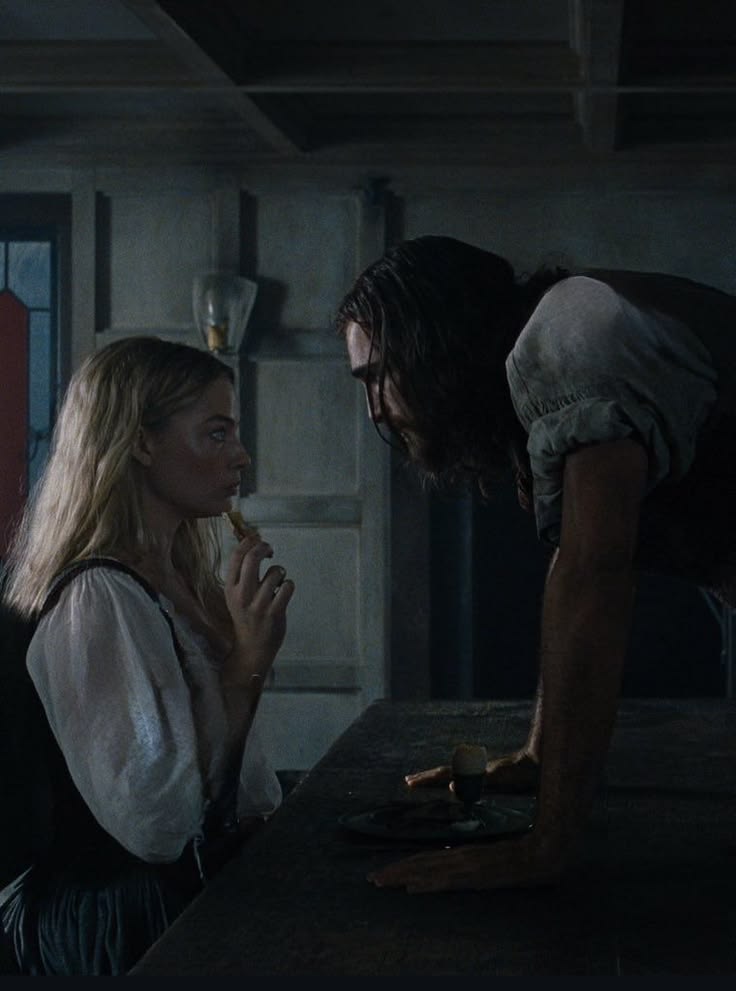
The landscapes in the film — the grey skies, the wild winds, the endless moors — reflect this truth. They whisper that love does not always conquer outwardly, that even the most spiritual bond can be thwarted by human complexity and circumstance, and that sometimes the ending we get is not what we prayed for, but what we needed to grow. There is still romance in Wuthering Heights, but it is not the kind the world usually celebrates. It is the kind that leaves a mark on the soul, that asks us to look at love not as a finished story but as a force — wild, unpredictable, mysterious, and spiritually resonant. It teaches us that love can be both ecstatic and devastating, both beauty and sorrow wrapped in the same human experience.

In the end, Wuthering Heights doesn’t tell us that love failed. It tells us that love is so vast and so powerful that it cannot be contained by simple conclusions. Some loves do not win overtly, but they teach. They shape our spirit. They follow us long after the final scene, long after we think we’ve let go. True love, even when unfulfilled, leaves us richer in wisdom, depth, and emotional truth.

And perhaps that is the closest thing to a victory that love can ever claim.
Dear reader, you may like also this:
Three Italian lakes to explore for a serene escape
Coconut Oil: The Winter Skincare Essential for Soft, Protected Skin
The Mystical Power of Bay Laurel: A Guide to Wealth and Spiritual Rituals