
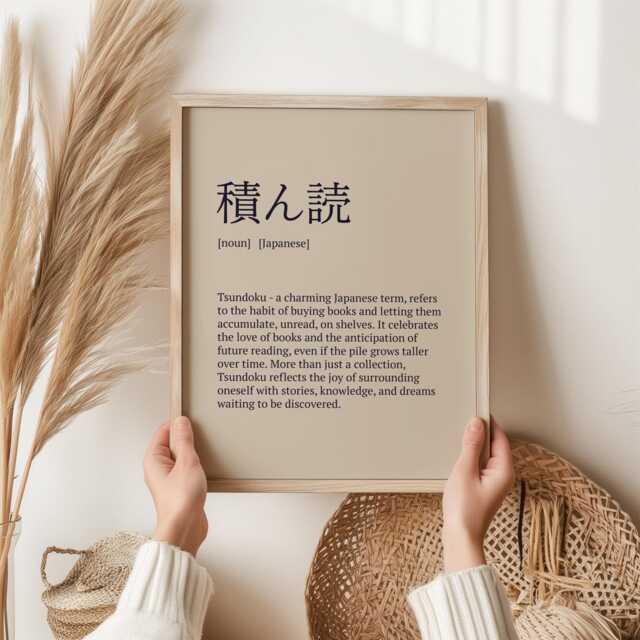
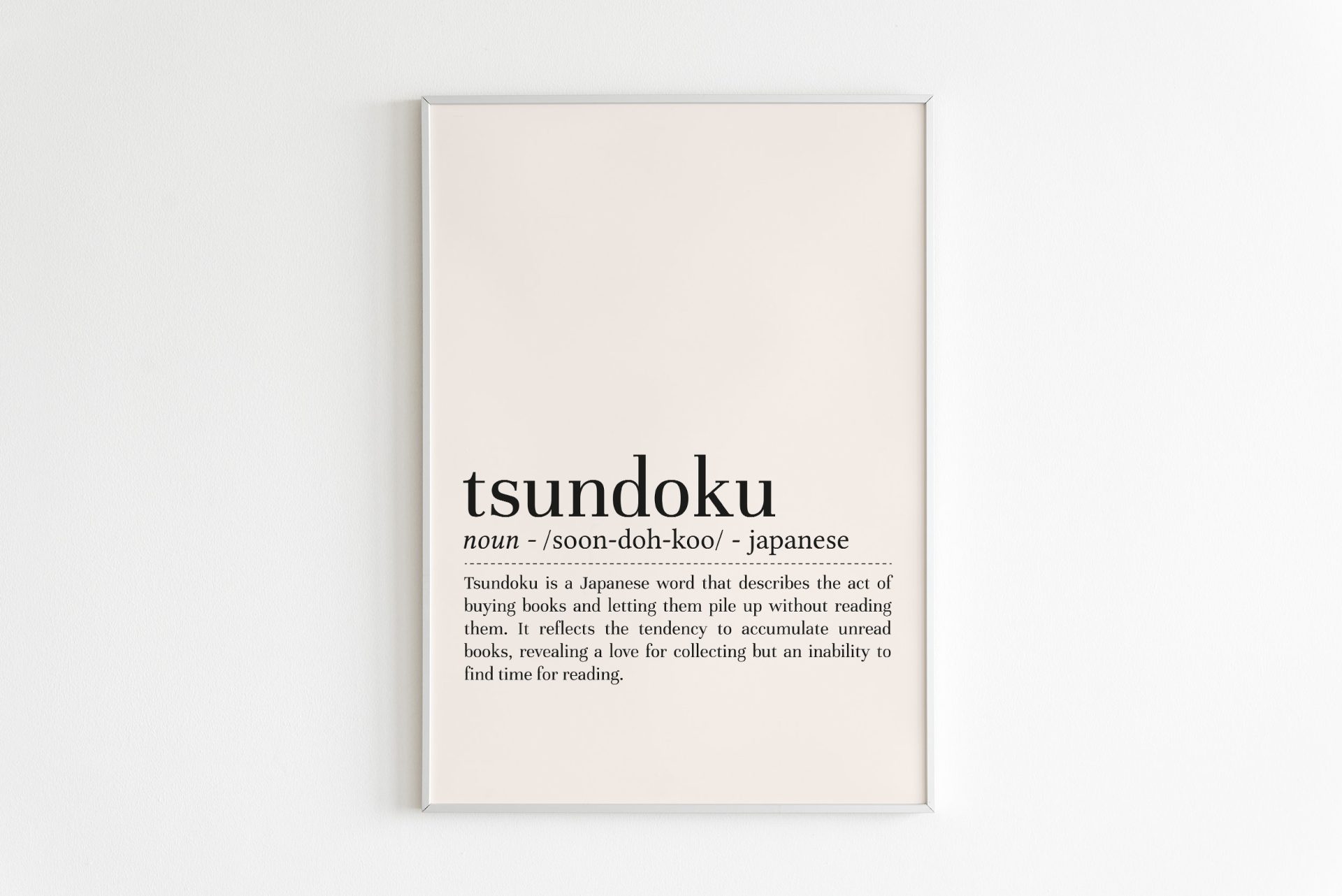
There are words that don’t just describe things — they open windows to new ways of being. One of them is Tsundoku, a beautiful Japanese term that refers to the quiet, almost sacred act of collecting books we haven’t yet read. I find this concept deeply moving, because it speaks of hope, of pause, of an inner life that unfolds in silence.
I, too, have my stacks of books. Some follow me from country to country, from phase to phase. They sit beside my bed, in my suitcase, on my desk. I buy them when something in their cover, their title, their energy speaks to me. I may not open them right away, and that’s perfectly fine. Because in those pages live versions of me I haven’t yet met — and I trust they will find each other in time.
A Temple of Possibility
In a world that rushes to consume, Tsundoku teaches us to wait. To breathe. To listen. Every unread book is a future waiting patiently for our arrival. Not every story is meant to be read today — some are meant to sit, to wait for the version of us who will finally understand them. This is the quiet wisdom behind Tsundoku: it is not a disorder, it is a spiritual practice. A form of trust in time itself.
Books as Mirrors of Becoming
Have you ever bought a book, only to read it months or years later — and find that it speaks to you in the most perfect way, as if it had been waiting for you? That’s the magic of Tsundoku. The books we gather are not random. They are signposts. Gentle invitations from future versions of ourselves.
Each unread volume holds a potential transformation. A mirror. A guide. The right book comes when the soul is ready — and not a moment before.
A Library of the Soul
Every book we collect, even unopened, builds our inner sanctuary. They are bricks in the house of our identity. Lamps in the quiet corridors of our becoming. To collect books is to collect parts of ourselves — to build a cathedral of thought, curiosity, longing and mystery.
Learning to Wait
In this hyperproductive world, Tsundoku is revolutionary. It says: not now, and that’s okay. It says: you don’t need to be ready. Let things come in their time. Let understanding grow like a flower, not a machine.
So let us stop apologizing for the stacks on our nightstands, the shelves overflowing. They are not messes — they are sacred altars. They are not signs of unfinished tasks — they are futures waiting to unfold.

Tsundoku, in the end, is the art of collecting who we are yet to become.
Dear reader, you may like also this:
Title: Effortless Elegance After 50: A Style Era That’s Just Beginning