
Mabon arrives when summer slowly begins to retreat and the light, day by day, gives way to the darkness. It is the time of the Autumn Equinox, that suspended moment when light and darkness meet in perfect balance, before the days begin to grow shorter and nature gradually enters its quieter season. For me, Mabon is a threshold, a passage, an invitation to pause and listen to what is changing within us while everything around us is changing shape.
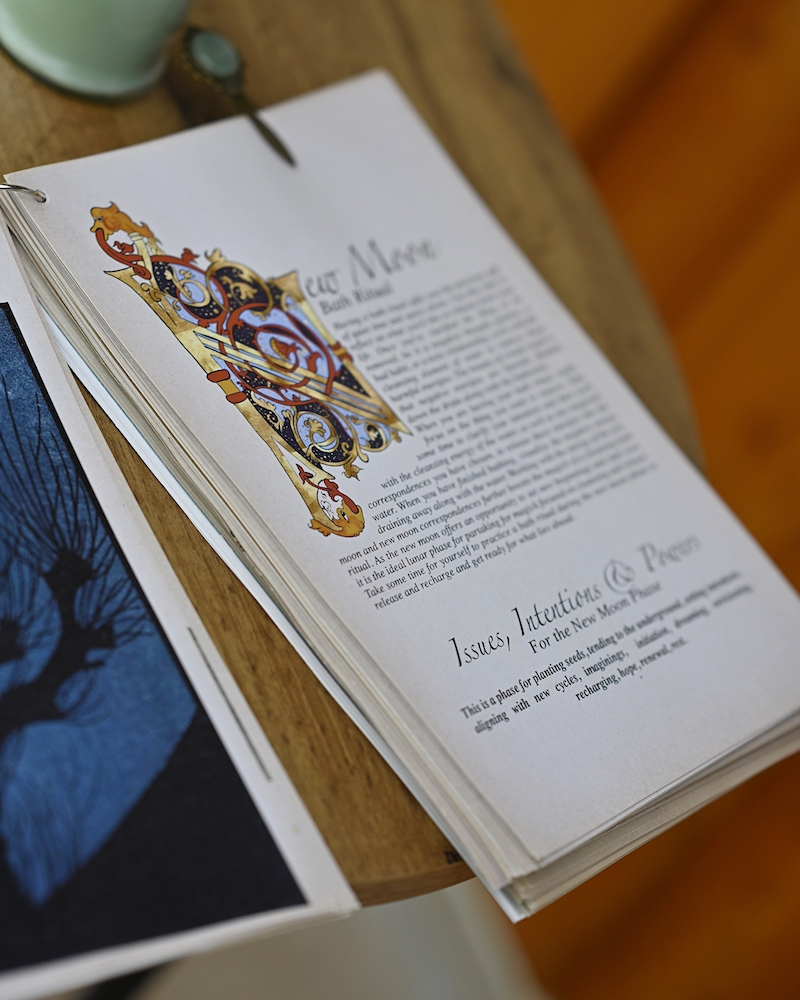
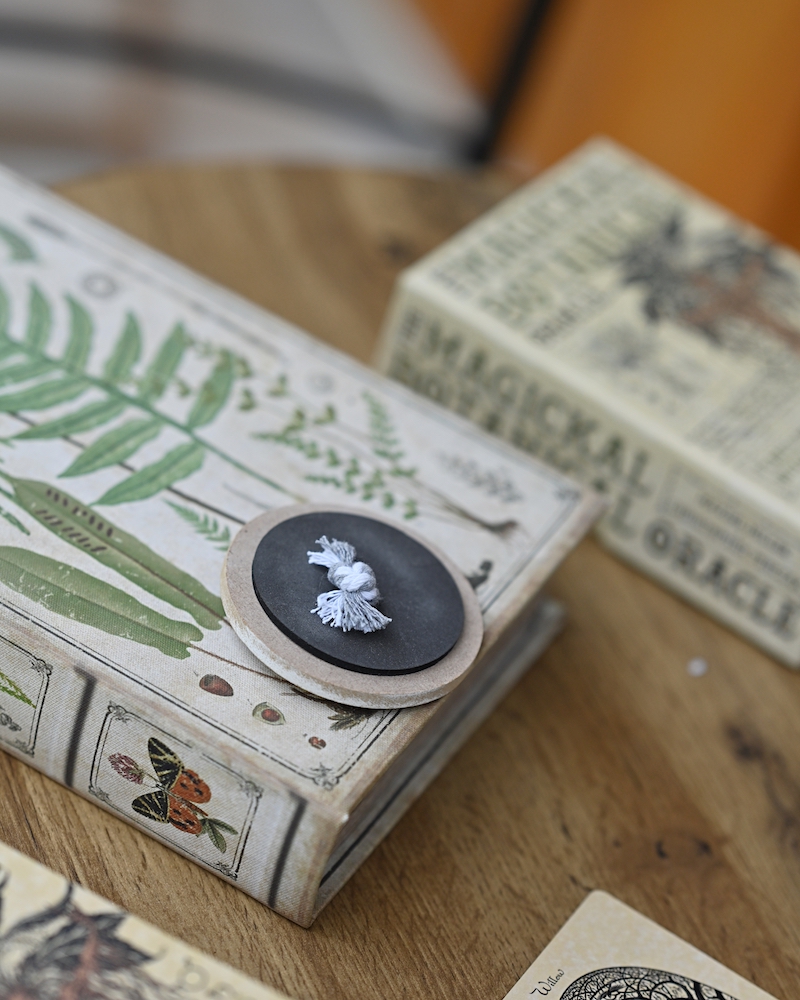
Autumn never truly arrives all at once. First come the leaves beginning to change colour, the cooler air in the morning, the different quality of the light, and that almost instinctive need to slow down. Nature does not resist this transformation. It lets go. Trees do not try to hold on to their leaves, nor do they cling to what has been or try to convince summer to stay. They simply understand that the time to change has come. Perhaps this is one of autumn’s deepest teachings: not everything we love is meant to remain with us forever, and letting go does not necessarily mean losing. Sometimes it means recognising that something has completed its cycle and having the courage to allow it to leave. We, instead, often try to hold on to people, situations, versions of ourselves, habits and desires that have already stopped belonging to us, as though change were something we needed to protect ourselves from. Mabon reminds me that we can also stop resisting and learn from nature the wisdom of release.
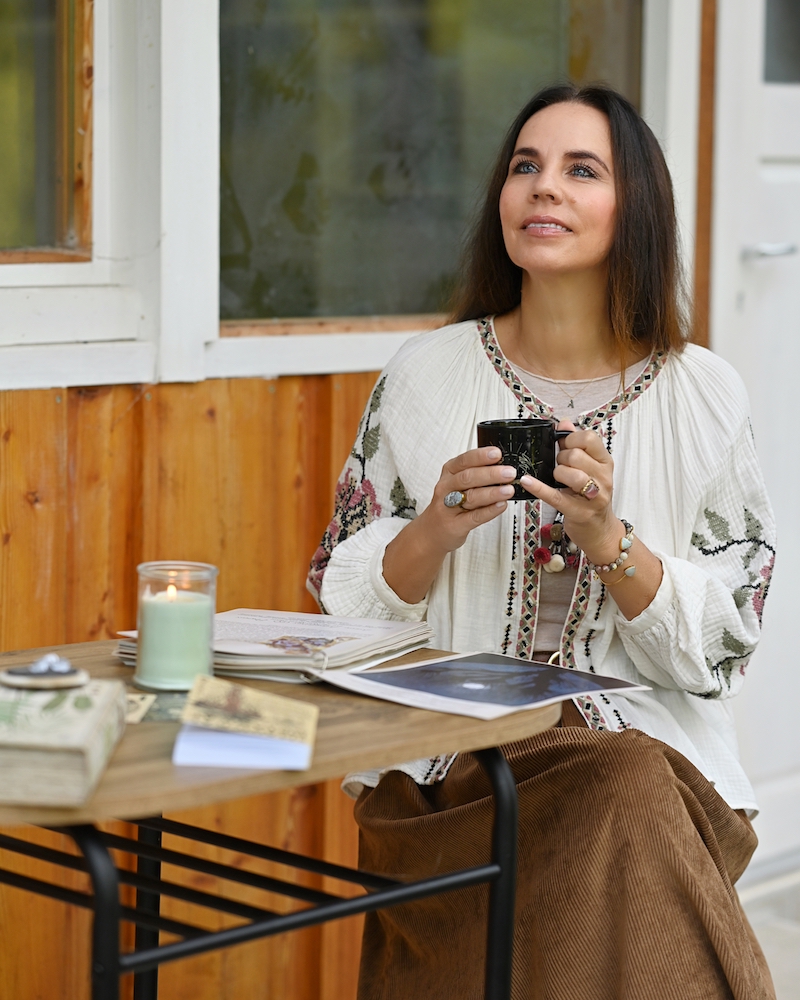
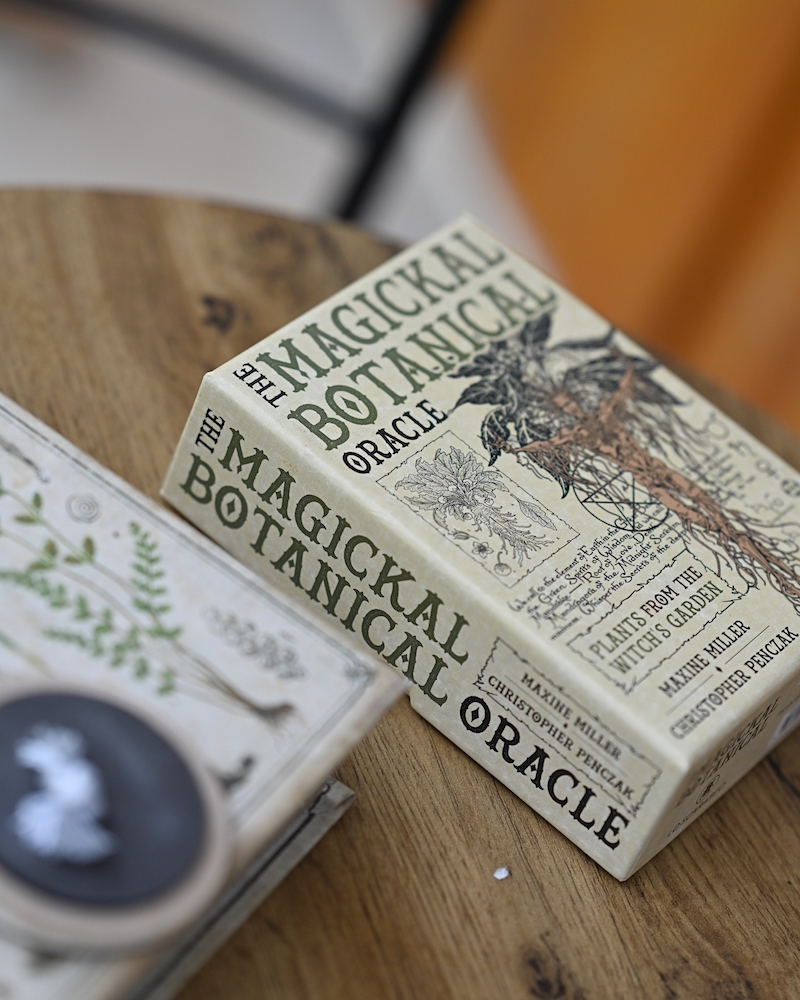
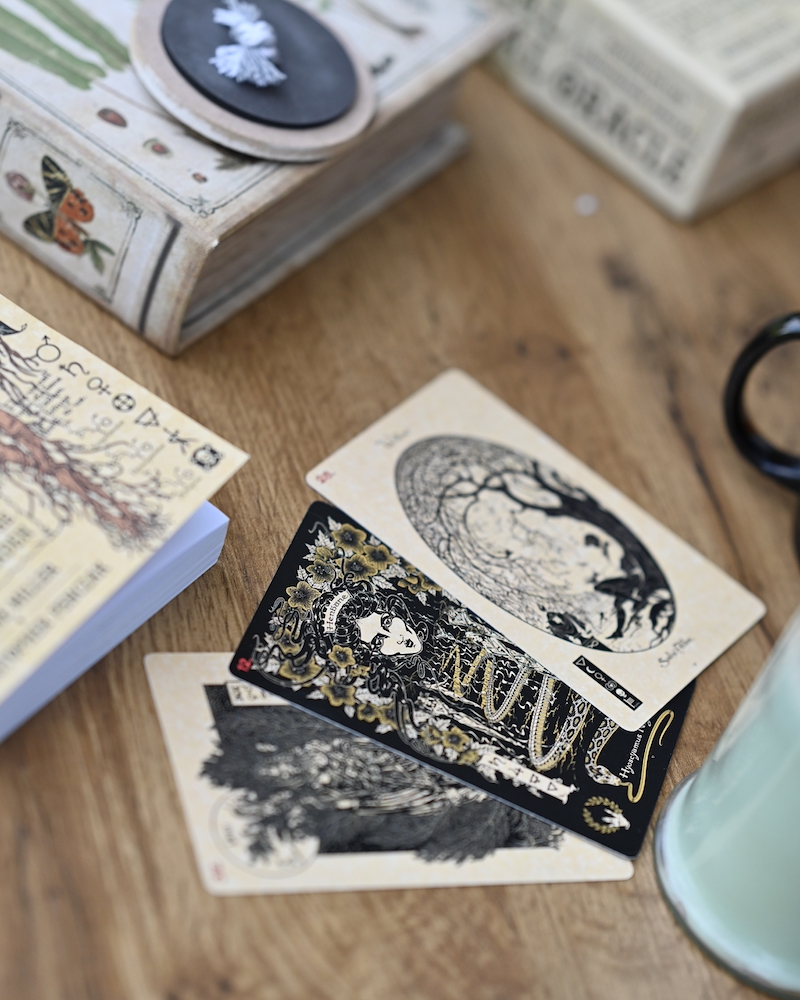
Autumn is the season of change, but it is also the season of shadow. As the light diminishes and the shadows grow longer, they become more visible, and perhaps for this very reason this season invites us to look inward with greater honesty. There are parts of ourselves that, during summer, we can more easily push aside by filling our days with noise, movement, people, responsibilities and distractions. When autumn arrives, something shifts. Nature becomes quieter, and that quietness can become a mirror. Facing our shadow does not mean searching within ourselves for something wrong that needs to be destroyed. It means having the courage to meet the parts of ourselves we would rather not see: our fears, contradictions, old wounds, the anger we have never listened to, our need to be recognised, our insecurities, the things we have not had the courage to say and the stories we continue to tell ourselves because we are afraid to change. Our shadow is not necessarily something we need to fight. Sometimes it is simply a part of us asking to be heard.
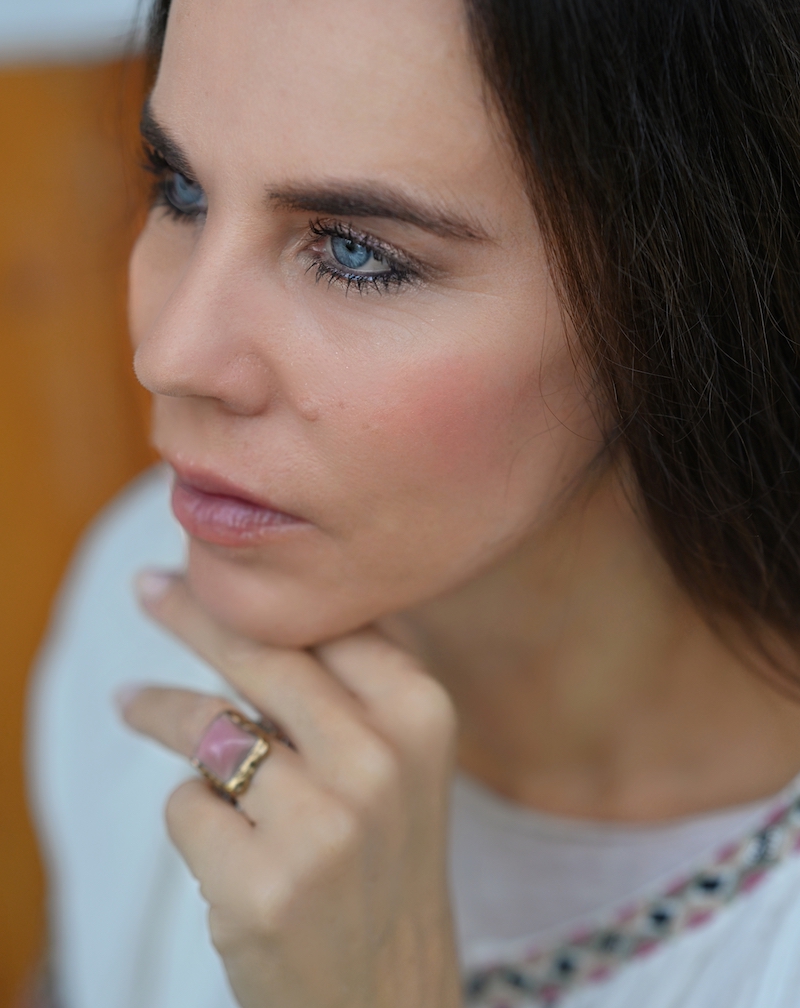
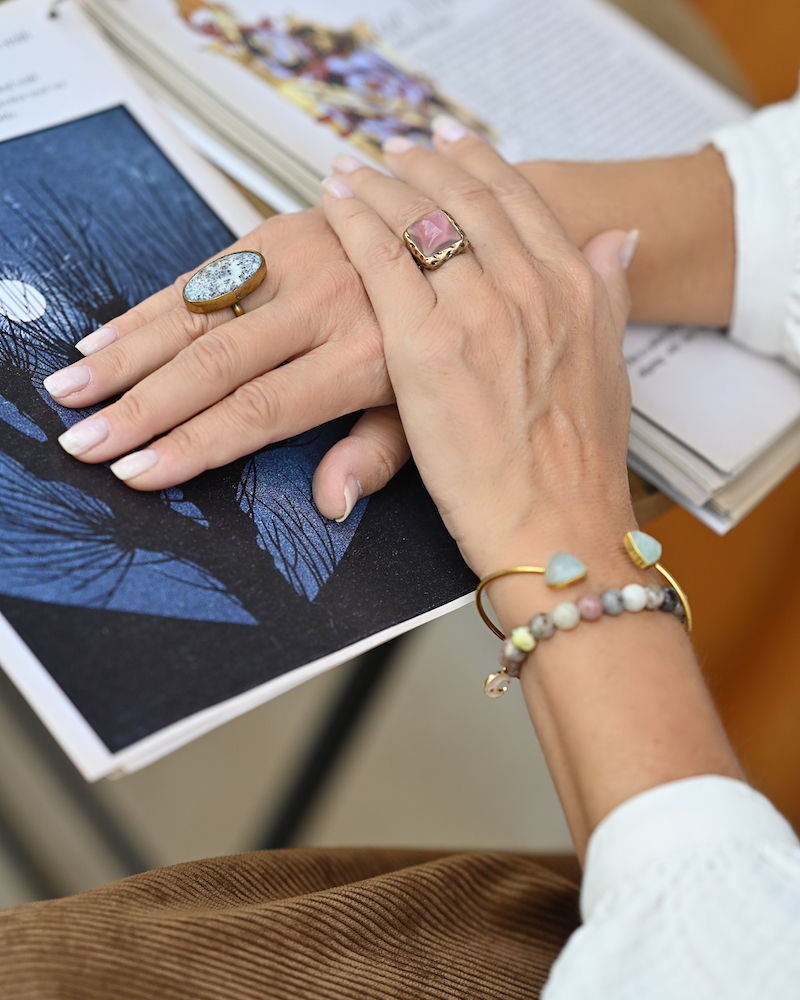
Perhaps this is what Mabon teaches me most deeply: we do not have to be afraid of the darkness simply because we cannot see everything clearly within it. We can learn to remain there for a while, without immediately searching for an answer, a solution or a new direction. We can sit with what we do not yet understand and allow silence to do its work. Silence takes on a particular meaning for me during this season. We live in a world that constantly asks us to speak, produce, respond, share, be present and fill every empty space. Even when we are tired, we often reach for something to distract us from our own inner world. Autumn seems to whisper the opposite: slow down. You do not always have to do something. You do not always have to know where you are going. You are allowed to simply be.
To be in silence means allowing the things we have kept at a distance to come closer. It means listening to our thoughts without judging them, noticing what we truly feel and slowly learning to distinguish what comes from within us from what we have been taught to desire in order to be accepted, loved or recognised. In silence, truths can emerge that noise had kept hidden, and perhaps some of those truths will not be comfortable. But they are ours, and meeting them can be the beginning of transformation. Mabon is also a time of gratitude. The balance of the Equinox reminds us that life contains light and darkness, abundance and absence, joy and sorrow, beginnings and endings, all at once. We do not have to choose one side and reject the other. We can learn to hold opposites together and recognise that even the most difficult seasons have something to teach us.
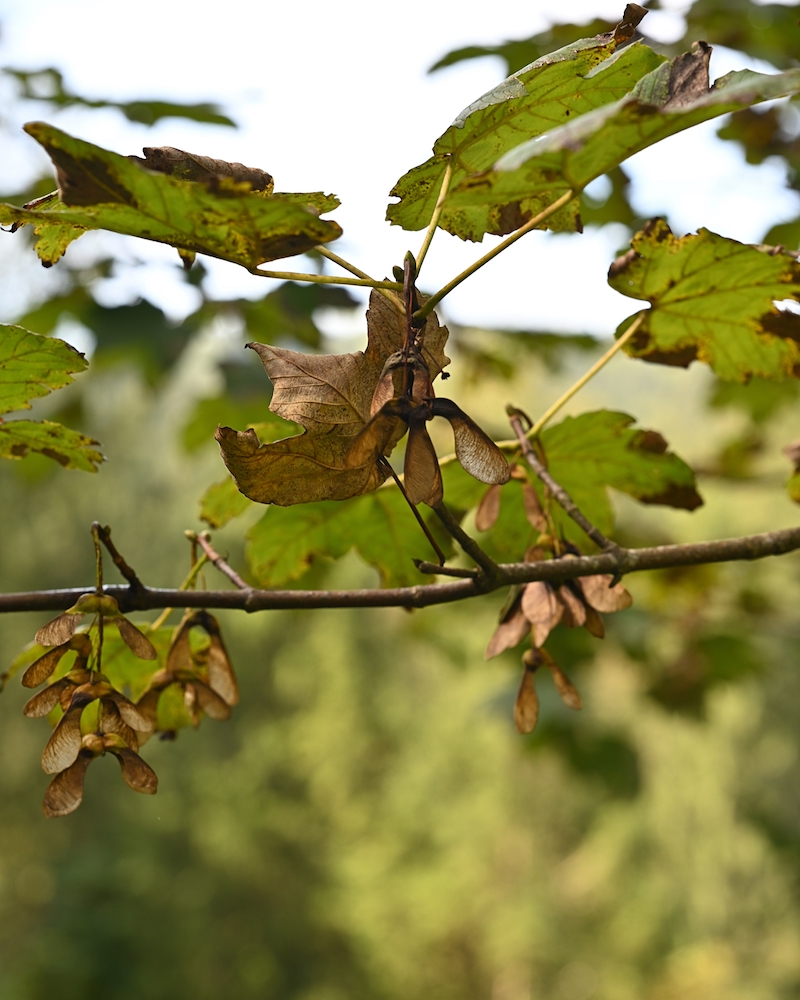
Gratitude does not mean pretending that everything was beautiful or that we never suffered. It means looking at what we have lived through and recognising what it has left within us. It means giving thanks for what arrived, for what helped us grow, for what revealed a part of ourselves we did not know existed, and even for what left us, because some losses, with time, become openings for something new. In this sense, Mabon is a celebration of transformation. Nature shows us that dying to one form does not necessarily mean ceasing to exist; it means changing state. Leaves fall and become part of the earth, the earth receives them, holds them and prepares them for what comes next. What appears to be an ending becomes nourishment for something we cannot yet see. It is a continuous cycle, and perhaps we too are far more cyclical than we allow ourselves to be.
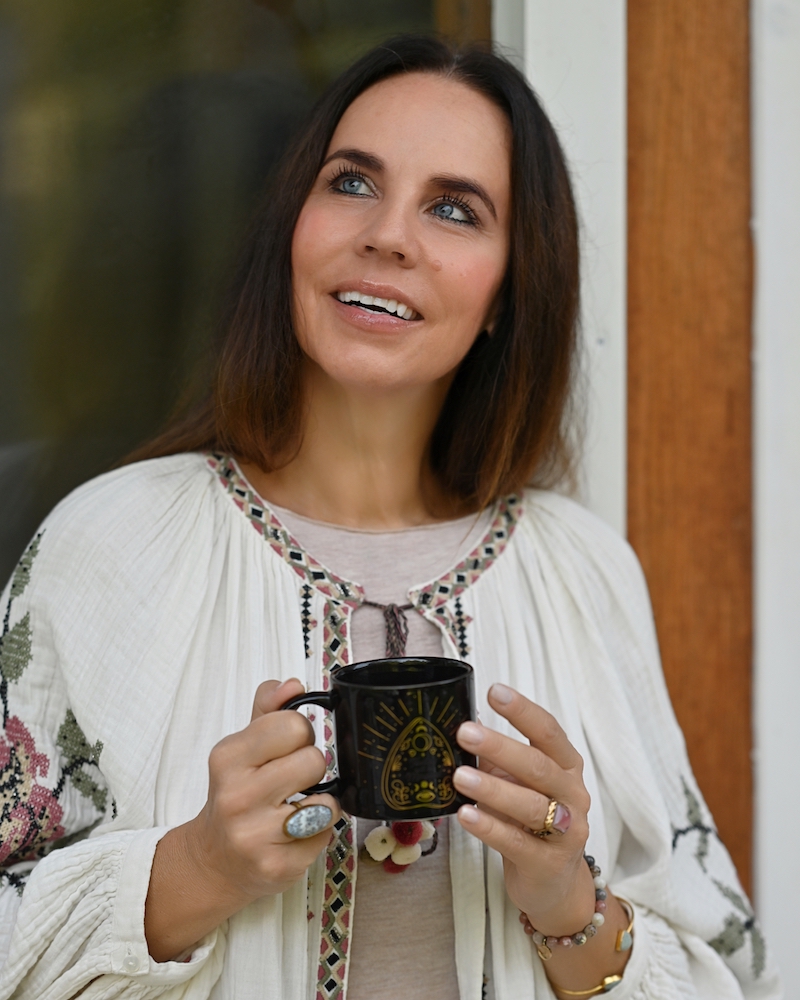
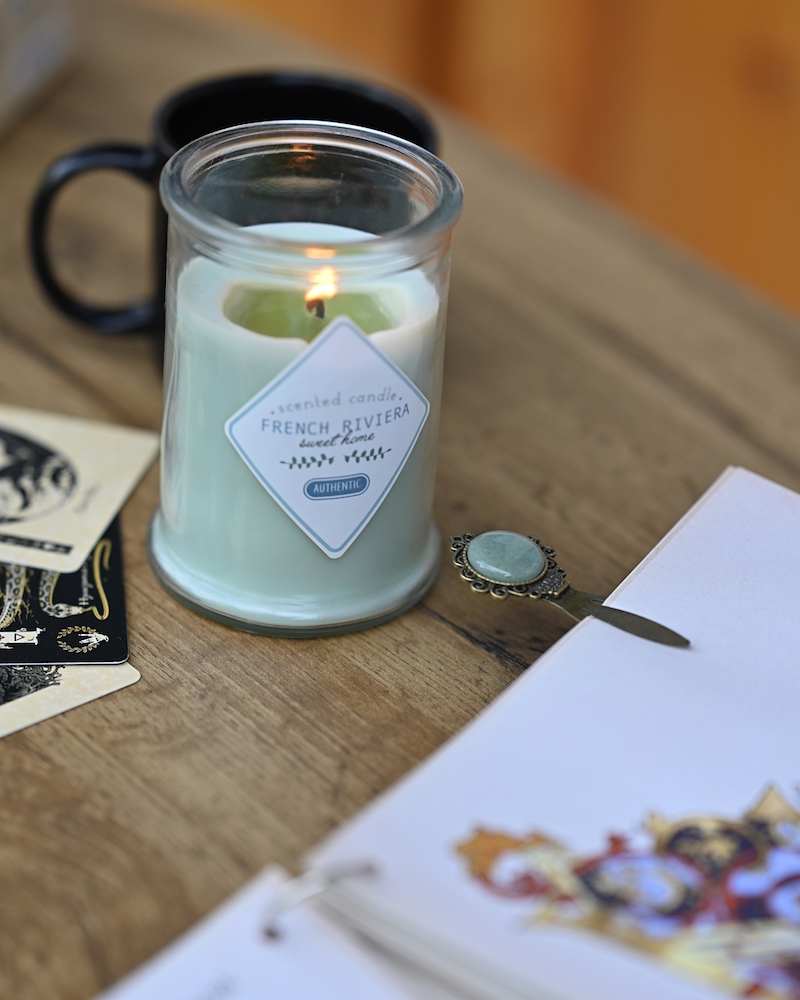
There are moments in our lives when we are called to bloom, others when we are called to harvest, and others when we are simply called to rest and allow something within us to die. An old identity, a relationship that no longer belongs to us, a fear, a way of living, a belief we inherited but no longer wish to carry forward. Not everything we release needs to be replaced immediately. Some spaces need to remain empty for a while, because it is precisely within that emptiness that something new can begin to take shape. This is why I feel Mabon as an invitation to slowness: to drink something warm while looking out of the window, to walk without a particular destination, to observe the trees, to light a candle, to write down what we cannot say out loud, to sit beside the people we love without feeling the need to fill every silence. These are simple gestures, but they can become rituals when we approach them with presence.
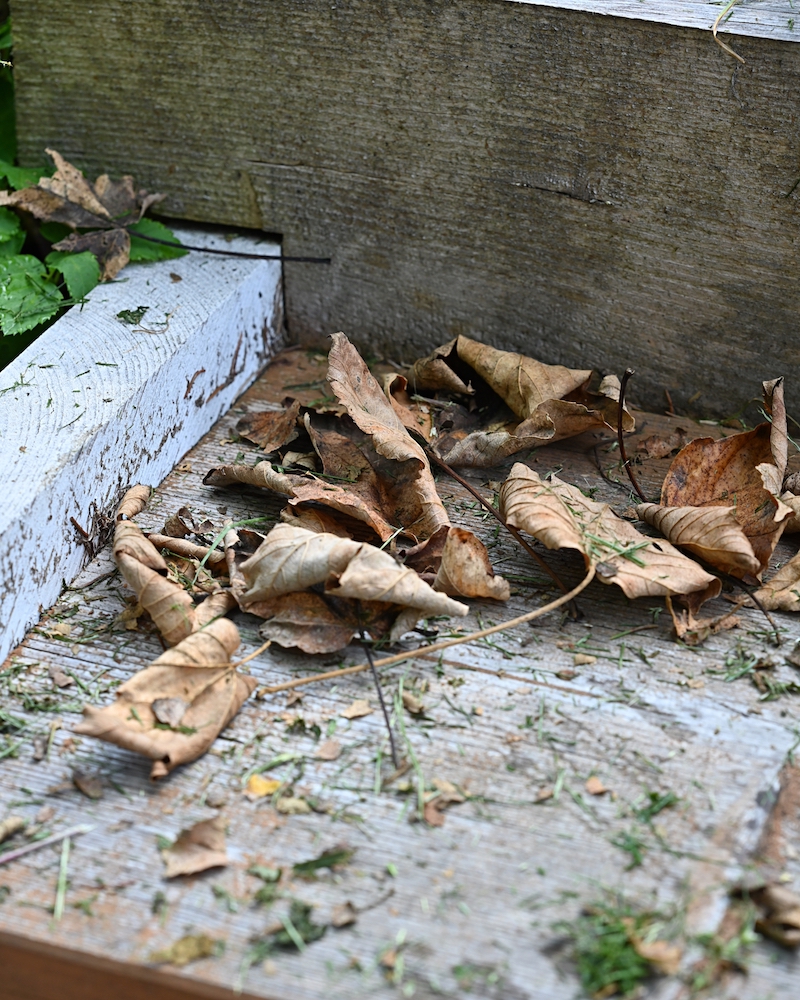
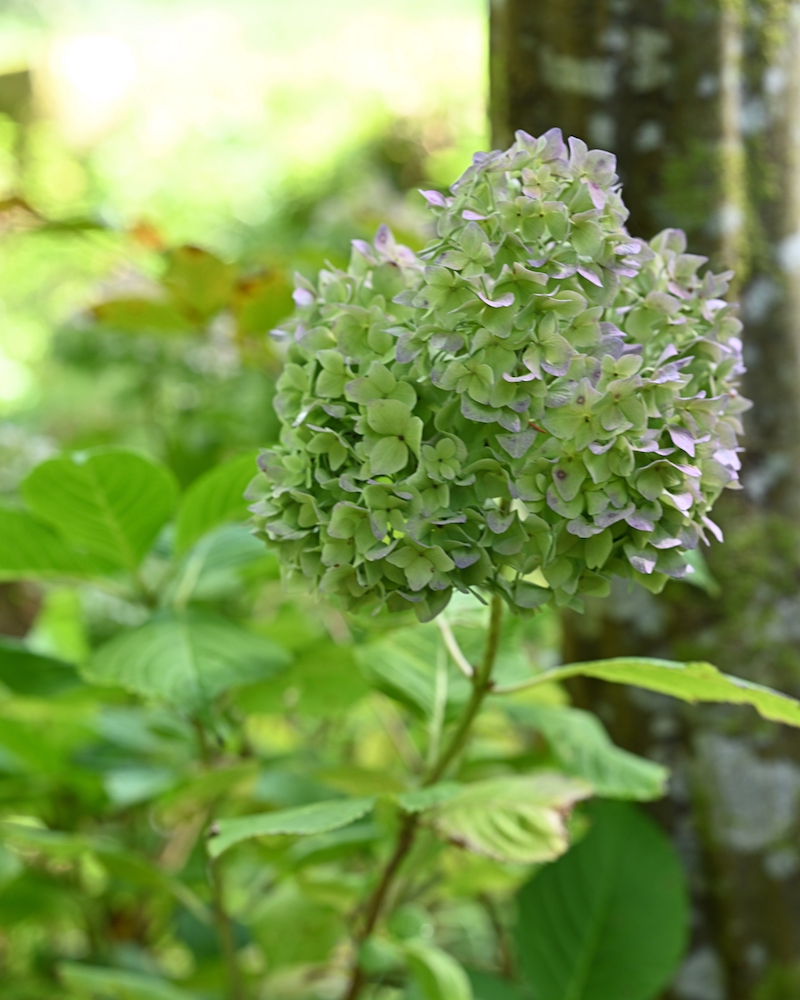
Perhaps the most important ritual of this season is simply to look at ourselves honestly and ask: What am I ready to let go of? Which part of me needs to be heard? What am I still holding on to out of fear? Which wound continues to ask for my attention? And, most importantly, what do I want to carry with me into the season that is coming? Mabon reminds me that we are not meant to be luminous all the time. We can move through our shadows, we can have days when we do not know, when we do not understand, when we have no answers. We can slow down without feeling guilty and allow ourselves to simply be present in our own lives.
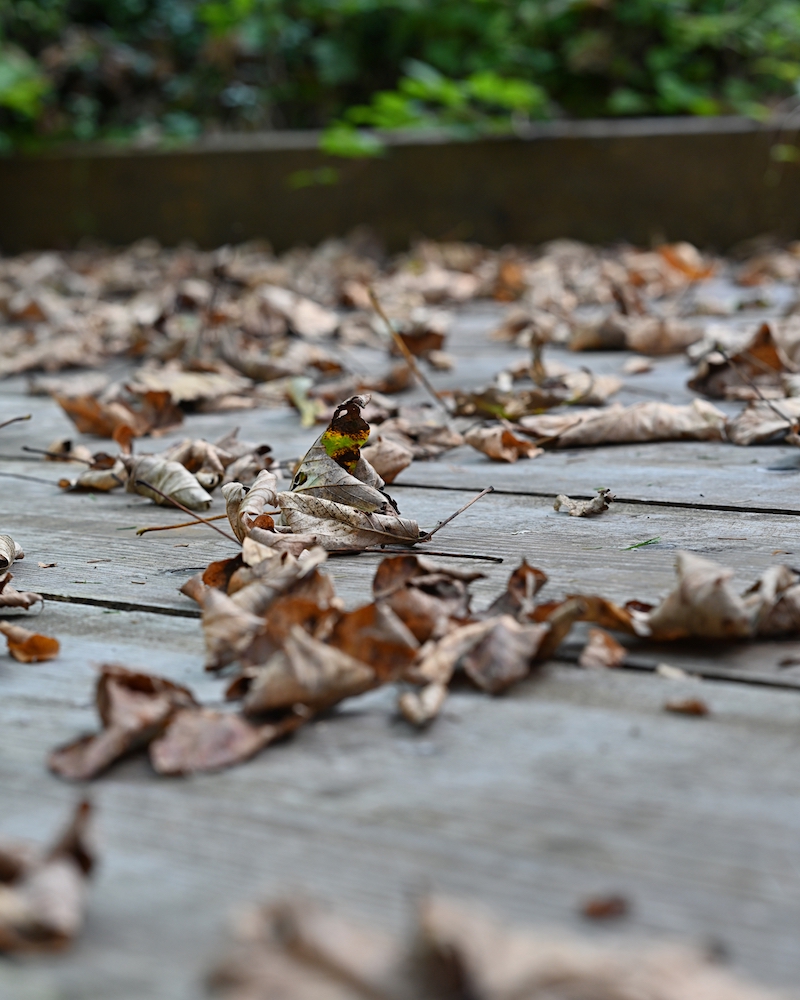
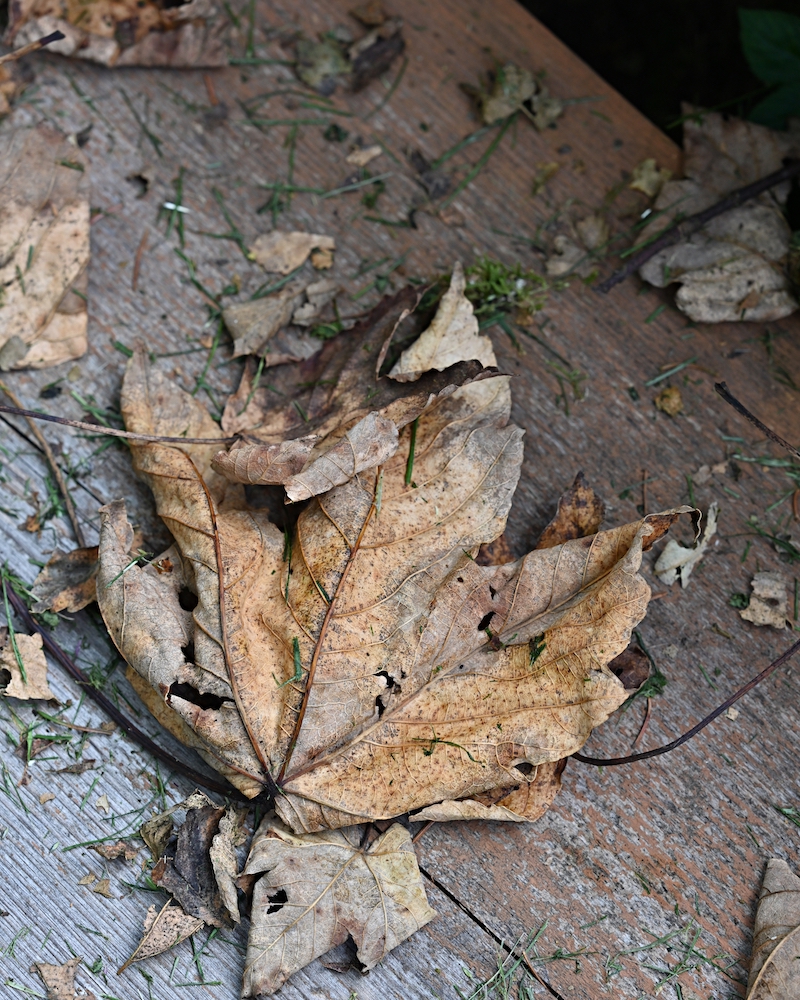
Autumn does not ask nature to prove anything. Leaves change colour when their time comes, they fall when their time comes, and the earth receives them without judgement. Perhaps we should learn to do the same with ourselves: to stop demanding that we always be in the right season, to stop believing that we must constantly grow, produce, shine and become something. Sometimes growth happens precisely when no one can see it. This is the quietness of Mabon: knowing that even when everything appears still, something within us is working. Beneath the earth, within the roots, in the darkness that comes before every new beginning, life continues. And perhaps we are doing the same during our quietest seasons, preparing something we are not yet able to see.
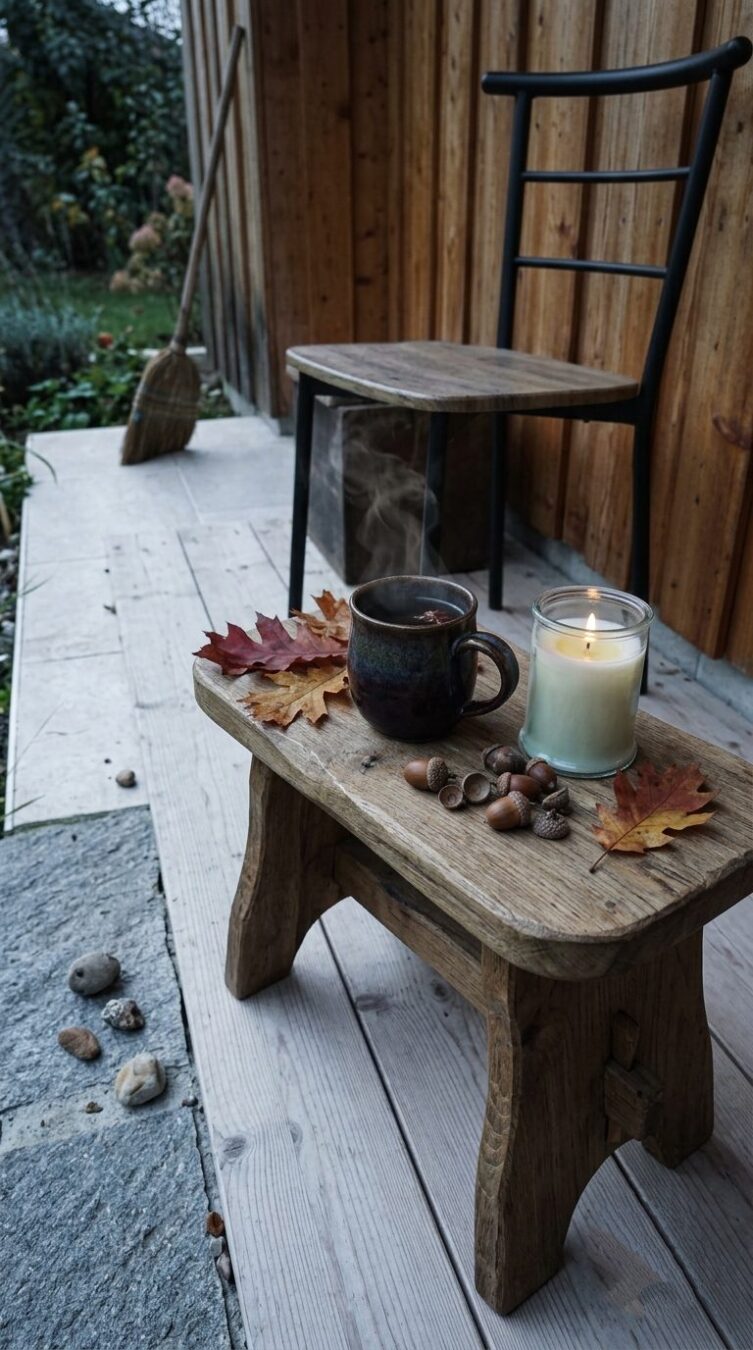
For me, Mabon is a return to what is essential. It is a moment to recognise the beauty of change and to stop being afraid of our shadows. It is an invitation to release, with gratitude, what has completed its cycle, to welcome silence without immediately filling it, and to trust that not everything that ends is a loss.
Some things need to fall. Some things need to be returned to the earth. Some things need to remain in silence.
And we can simply trust the cycle, knowing that even when we cannot yet see spring, life has never stopped preparing itself.
Dear reader, you may like also this:
The Art of Dressing Well: Why Style Becomes More Beautiful With Age
Style of the Day: Quiet Luxury Elegance
Whimsy: the return of lightness and why we need a little more wonder