We live in a world running at breakneck speed. Over the last few decades, the idea that speed equals success has driven every single aspect of our daily routines. Meticulous time optimization, constant phone availability, and the relentless urge to be productive at all costs have trapped us in a ruthless machine.
To counter this destructive race, a global revolutionary movement is taking hold: slow living. People often oversimplify this concept, reducing it to a social media trend filled with rustic countryside escapes, steaming mugs, and breathing exercises. On the contrary, it is a genuine physiological reaction to contemporary frenzy—a biological defense mechanism we trigger to protect both mind and body.
To truly understand this revolution, let us break down its three foundational pillars.

1. “Hyper-speed” fatigue
The extreme pace of modern society has generated unprecedented levels of burnout. This chronic “hyper-speed” fatigue wears down the body by forcing it into a perpetual “fight or flight” biochemical response, flooding our system with cortisol.
Seeking a “slow life” means, first and foremost, attempting to disengage a gear that the mind and body can no longer sustain. It does not mean giving up on doing things; rather, it means doing them at the right pace. This allows the nervous system to recover its lost balance and neutralizes the toxicity of constant availability.

2. The allure of the essential
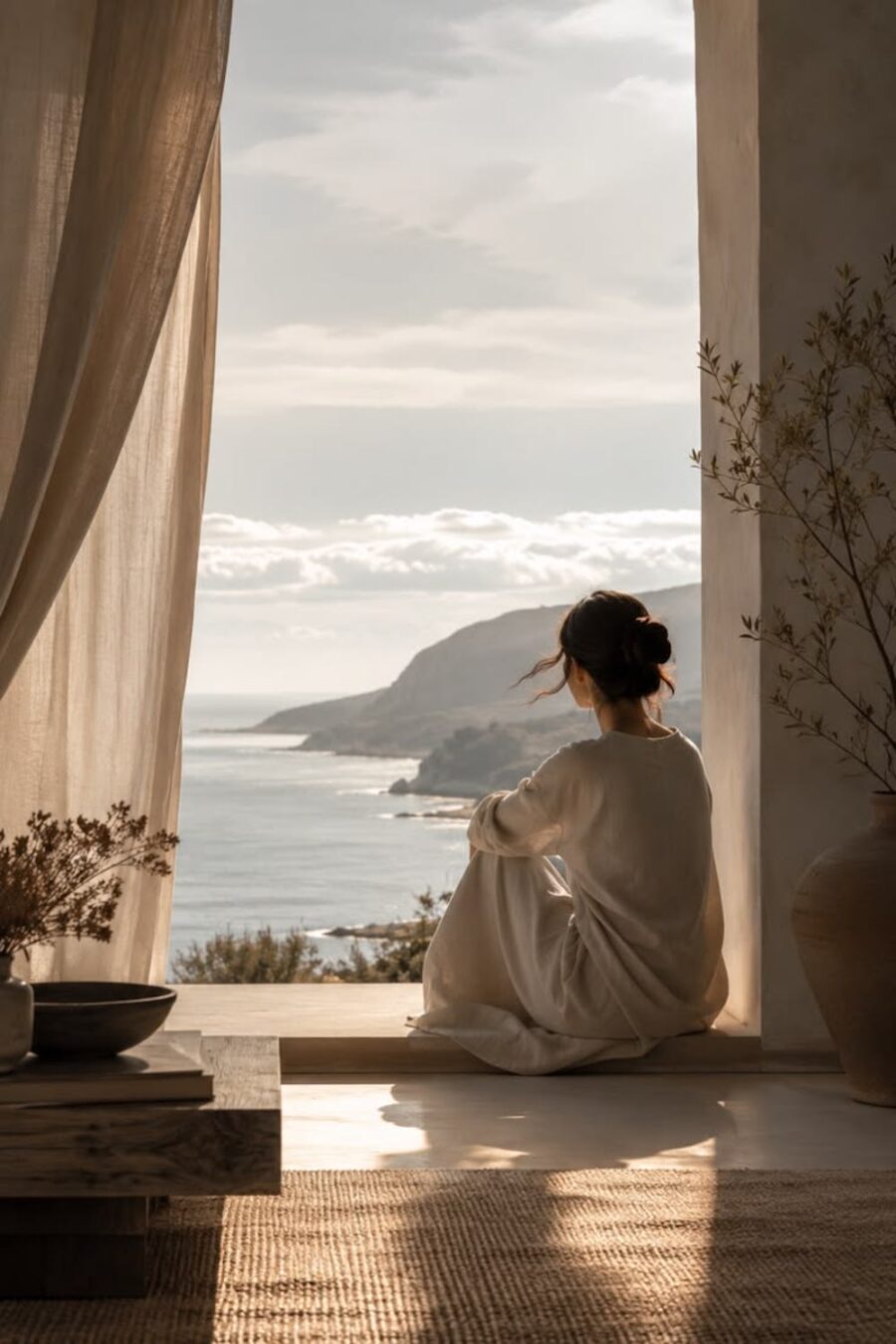
Slowing down your pace is not just a mental exercise; it directly reflects on the spaces we inhabit. Within our homes, we have rediscovered a deep need for visual and mental silence. Slow living redefines interior architecture and the way we dwell, favoring less cluttered environments, natural materials, modulated lighting, and designs that invite pause rather than daily chaos.
Through this approach, the home goes back to being an intimate sanctuary—a place for decompression and comfort, rather than a mere dormitory to crash at between appointments. Eliminating the superfluous from physical spaces directly helps create order and space inside our minds.

3. Reclaiming control over your time
Today, the widespread feeling is not that we are living our days, but rather that we are passively enduring them under the weight of endless deadlines. In this context, the promise of slowness offers an almost subversive idea: reclaiming your minutes and deciding exactly how to spend them.
This pillar translates into dedicating full attention to a single action—such as cooking, reading, or caring for a plant—without the anxiety of the dominant multitasking culture that fragments our focus. Ultimately, slow living is deeply rooted in the right to be present. It is the conscious desire to step out of the automated rush to go back to feeling things as they happen, truly tasting the substance of our own existence.

How to Start Slowing Down Today
You can embrace slow living through small daily actions, starting right inside your home and with your schedule:
- Experiment with monotasking: When performing a task (even as simple as drinking a coffee), do only that. Eliminate screens and focus on your senses.
- Practice visual decluttering: Clear your home surfaces of useless items to give your mind a sense of order and visual silence.
- Claim your right to disconnect: Set a strict evening boundary where your phone becomes inaccessible, shielding your private time.
- Find an analog ritual: Dedicate just ten minutes a day to a manual activity (gardening, journaling, cooking from scratch) to ground yourself in the present.
In conclusion, slow living is not a luxury for the few or a passing trend to photograph. It is a biological, psychological, and existential necessity. In an era where speed is mistakenly considered the only metric of success, slowing down, eliminating the superfluous, and reclaiming control over your time is the ultimate act of rebellion and self-care.
Dear redaer, you may like also this:
The Quiet Luxury of Becoming Yourself
Style of the Day: The Timeless Elegance of Lace
Book Clubs Are the New Social Revolution — And I Couldn’t Love This Trend More